
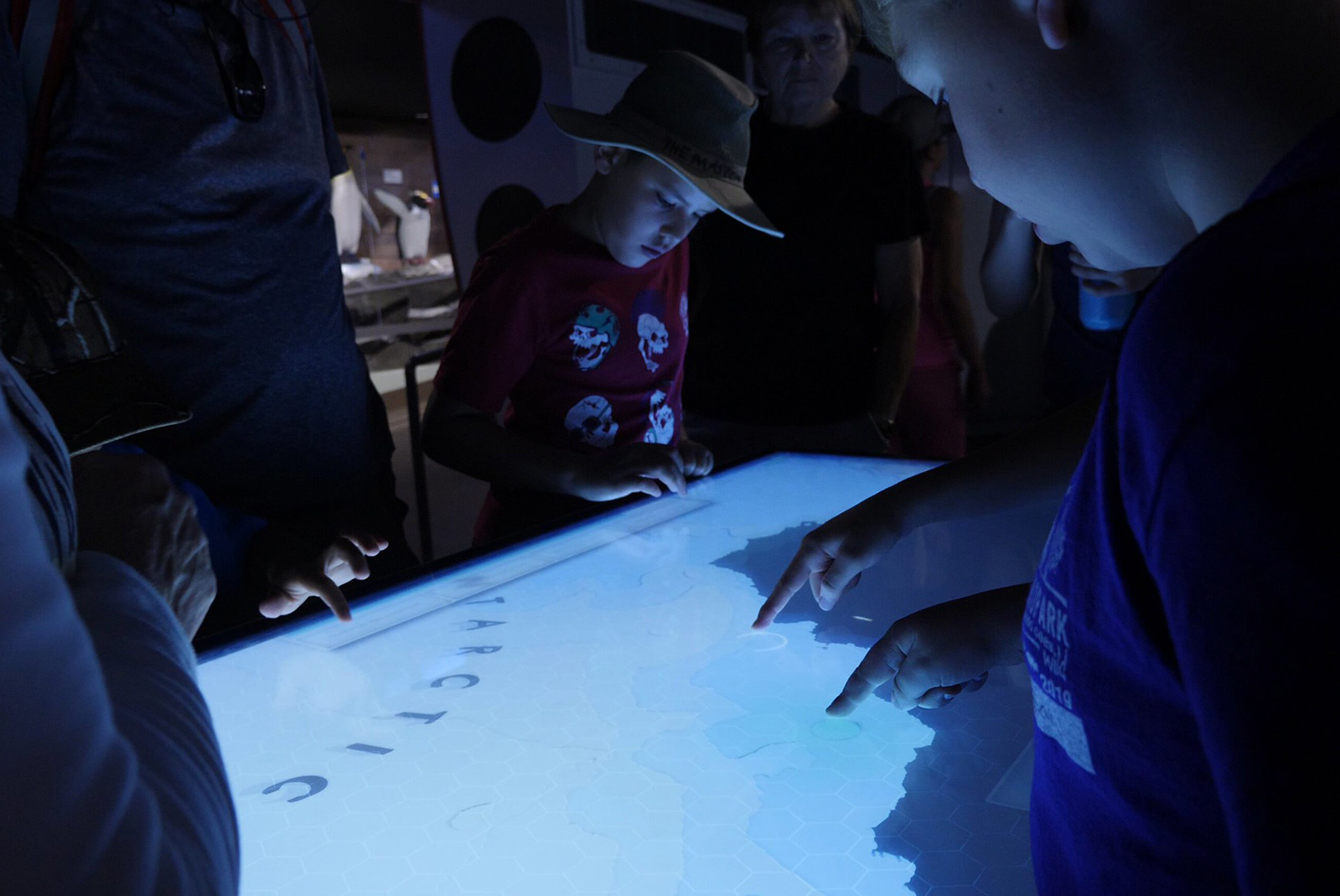
An interactive game table combines display, touch and tabletop space so several users can view, choose and discuss the same content. It is not simply a vertical screen turned sideways: operating direction, reach, table height and the multi-user interface directly shape the experience.
In lounges, karaoke rooms and social venues, the table gives guests an activity while they wait to sing or relax. Multiplayer quizzes, matching and light cooperative games begin quickly without requiring every guest to learn complicated rules.
Interactive Game Table: Give Waiting Guests a Shared Activity
Not every guest sings or talks continuously, so a shared tabletop game can give waiting groups a common activity without forcing purchases or replacing normal social interaction.
On the interactive game table, in lounges, karaoke rooms and social venues, the table gives guests an activity while they wait to sing or relax. Multiplayer quizzes, matching and light cooperative games begin quickly without requiring every guest to learn complicated rules.
Make Games Easy to Join and Leave
Rules should be understood within seconds, allow players to join at any time and avoid long table occupation; points, quizzes and cooperative games suit venues better than complex solo play.
On the interactive game table, short rounds allow new guests to join at any time and make reset faster between groups. A home screen that shows how to start, player count and an exit control reduces calls to staff caused by a hidden entry point.
Protect the Table from Drinks and Cleaning
Tempered glass, sealed edges, wear resistance and serviceable construction matter more than visual effects, and spilled liquid must not reach internal electrical areas.
A tempered-glass surface is easy to clean, while the edge and internal electrical area need protection from accidental spills. The touch zone avoids raised controls that collect liquid, and power and service access remain away from drink placement.
Match Sound and Brightness to the Venue
Nightclubs, lounges and karaoke venues already use music and lighting, so tables should control volume, brightness and flashing to avoid noise and visual fatigue from several units.
Screen brightness can match lounge or private-room lighting, while sound can be muted or connected to the venue system. Animation remains clear without excessive flashing, preserving the atmosphere when several units operate together.
Connect Rewards with Clear Venue Rules
Points, event prizes and beverage promotions can support operations, but rules, age limits and local requirements must be clear without inducement or unavailable rewards.
Points, leaderboards and event gifts can follow the venue theme, with rules shown clearly on screen. The operator controls reward content while the table presents the interaction, reducing misunderstanding about redemption conditions and availability.
Keep the Table Compatible with Venue Service
Evaluation should track game starts, group participation, occupancy time, staff assistance and related sales while confirming the equipment does not obstruct service, cleaning or evacuation.
The table is both a game device and a piece of furniture in a room or public area. A stable base, seating distance and service route allow guests to participate without obstructing food service, cleaning or circulation.
A Product Configuration Ready for Project Delivery
The interactive game table can use Android or Windows according to software load and combine the required screen size, touch method, table form, interfaces and optional modules. ZXTLCD can install customer content on a sample and confirm operating direction, picture quality and structural details before volume production.
From the first day of use, a clear start page, stable touch, concealed cables and accessible service construction are part of the product value. The unit should attract users during its first presentation and retain the same experience through repeated operation, content changes and routine cleaning.
The game interface can visually match a private-room theme, seasonal event or membership campaign. While idle, the welcome screen presents venue imagery; one touch opens game selection, and completion returns the table to the branded page. The same surface therefore supports entertainment and venue information without requiring another wall display. For seated groups, primary controls stay near the table edge while shared results appear in the centre, allowing every participant to see individual actions and the outcome of the round.