
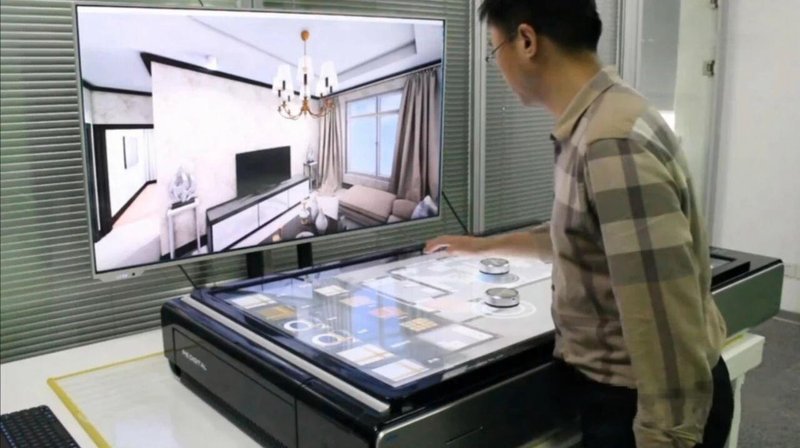
The VR panoramic interactive recognition table integrates capacitive touch technology, interactive recognition, and digital content display to deliver a more intuitive interactive experience for exhibition halls, museums, science centers, and commercial display spaces. Users can manipulate digital content on the screen by sliding and rotating tangible tokens or smart cards, as well as orienting visual perspectives according to display requirements, allowing visitors standing around the table from various angles to view content with ease.
By synchronizing tangible operations with digital visual assets, the interactive recognition table translates complex information browsing and scene navigation into straightforward, tactile interactions. As visitors explore digital content, they can effortlessly gain insights into product specifications, spatial architecture, and core exhibition themes.
VR Panoramic Interactive Recognition Table: I. Token Recognition: Linking Physical Manipulation with Digital Content
The VR panoramic interactive recognition table supports simultaneous manipulation of multiple physical tokens or smart touch cards across the capacitive touch surface, including sliding and rotating gestures. The system detects the exact position and rotational orientation of each token or card, dynamically altering the on-screen digital content according to pre-configured interaction rules.
The display perspective can also rotate seamlessly according to user needs, enabling visitors viewing from various vantage points around the table to inspect details comfortably and greatly enhancing multi-user collaboration.
In virtual scene demonstrations, physical tokens allow users to trigger scene transitions, virtual spatial walkthroughs, 3D object manipulation, and material/color swapping. Merging physical tactile feedback with digital visualization simplifies previously intricate digital controls, lowering the learning curve and empowering audiences to independently explore showcase content.
II. Somatosensory Interaction: Elevating Product Showcase Engagement
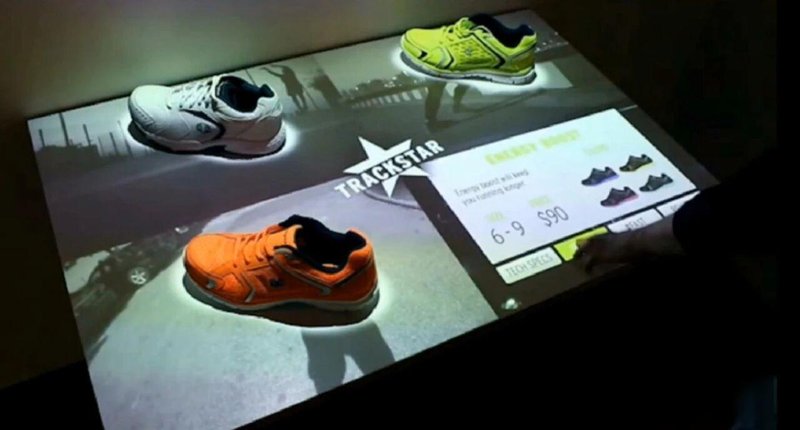
Interactive recognition technology can also be deployed in gesture- and sensor-based interactive advertising and product showcase systems. Based on hardware configuration, the system can detect the placement and pickup state of items across the display surface, triggering corresponding multimedia presentations.
When a product is placed on a designated interactive zone, the system automatically launches the corresponding product demonstration video. When a visitor picks up the product, the system advances to subsequent operational menus or detailed technical breakdowns according to preset recognition logic, guiding the prospective customer through in-depth feature exploration.
The interactive countertop can feature multiple product demonstration zones tailored to project needs, establishing clear one-to-one pairings between physical merchandise and digital media. By picking up, setting down, or repositioning tangible items, visitors intuitively absorb product features, creating a high-tech, deeply engaging interactive experience.
III. Intelligent Recognition: Supporting Diverse Interaction Modes
Depending on specific solution architectures, the interactive recognition table can incorporate capacitive touch sensing, optical recognition, or depth-sensing technologies. These systems identify fingertip touch coordinates and the status/orientation of physical objects within designated zones, instantly launching targeted interactive modules.
In real-world deployments, recognition methodologies, object differentiation thresholds, and supported interactive toolsets depend on hardware specifications, software architecture, and on-site environmental conditions. By methodically establishing recognition rules and operational workflows, a seamless connection between digital content and physical items is formed, ensuring an effortless and intuitive user journey for all visitors.
IV. Broad Applications: Adapting to Diverse Exhibition and Experience Scenarios
The multi-touch interactive recognition table is not limited to digital media browsing; combined with bespoke theme designs and tailored interactive software, it excels in industrial design, geographic mapping, image browsing, exhibition lecturing, and gamified interaction:
Science Centers and Urban Planning Halls: In science and technology museums, municipal planning exhibition halls, and corporate showrooms, the interactive recognition table displays 3D urban models, regional maps, urban master plans, and interactive digital scenes. By gliding tokens or smart cards across the table, visitors can switch between geographical zones or drill down into localized data, turning intricate datasets into vivid visual narratives.
Museums and Theme Parks: Within cultural museums, theme parks, and historic heritage centers, the recognition table merges immersive digital scenes, historical artifact archives, and interactive exploration tasks. It guides visitors on self-paced historical journeys, greatly elevating entertainment and cultural appreciation.
Corporate Showrooms and Product Launches: In corporate brand centers and product launch events, the table connects tangible product prototypes with rich digital specifications. Visitors pick up sample products, rotate tokens, or tap specific tabletop zones to inspect real-time CAD models, exploded structural views, and application cases, gaining a thorough understanding of unique value propositions.
Commercial Retail and Hospitality: In retail malls, high-end hotels, experiential entertainment venues, and promotional campaigns, the interactive table supports product walkthroughs, dynamic interactive advertisements, concierge queries, and tactile brand experiences. High-caliber interactive content design enriches on-site marketing presentations and elevates the overall tech aesthetic of commercial spaces.
ZXTLCD VR Panoramic Interactive Recognition Table: Connecting Tangible Experiences with the Digital World
The ZXTLCD VR panoramic interactive recognition table fuses tangible token manipulation, capacitive touch sensing, and high-resolution digital visual presentation. Tailored exhibition solutions can be designed around project themes, spatial floor plans, and functional interaction requirements.
Whether applied to virtual scene roaming, interactive product showcases, GIS map navigation, or guided exhibition storytelling, the interactive recognition table injects a tangible, hands-on gateway into conventional display methods, turning passive spectators into active participants.
Through adaptable interaction design and dynamic digital asset deployment, the ZXTLCD interactive recognition table delivers deeply engaging, memorable digital exhibition experiences for science centers, planning halls, museums, corporate showrooms, and premier commercial spaces. In conclusion, adopting a professional VR Panoramic Interactive Recognition Table enhances presentation capabilities, engages multi-user audiences, and drives digital transformation.
Looking for customized VR Panoramic Interactive Recognition Table hardware, multi-touch interactive tables, or OEM/ODM commercial display solutions? Feel free to contact the ZXTLCD engineering team for free consultations, product demos, and tailored technical specifications.