
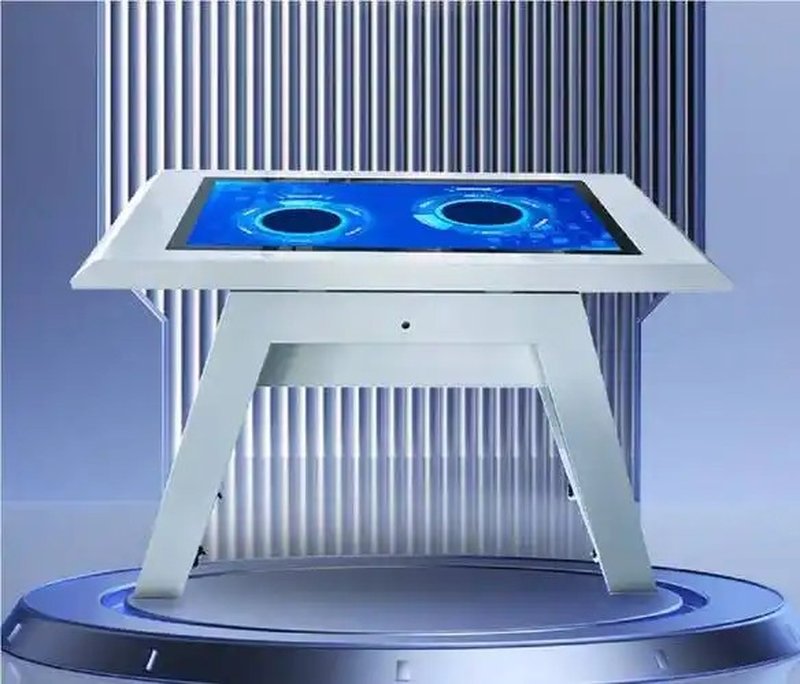
Deploying a commercial-grade Touch Recognition Table Technology provides interactive venues with an advanced digital display platform. When discussing touch recognition tables, Augmented Reality (AR) technology plays a pivotal role. AR calculates the position and angle of camera imagery in real time and overlays corresponding digital graphics. It represents an innovative technology that seamlessly integrates physical world information with virtual world data. The goal of AR is to superimpose the virtual world onto the physical environment on a display screen, enabling natural interaction. First conceptualized in 1990, Augmented Reality has found increasingly widespread applications as the computing power of modern electronic devices has advanced—and touch recognition tables are an innovative product born from this technological evolution.
What Is a Touch Recognition Table? with a Touch Recognition Table Technology
A touch recognition table is an intuitive, natural, and practical human-computer interaction terminal packed with cutting-edge technology. It integrates touch screen object recognition (OR), computer vision recognition, Virtual Reality (VR), Augmented Reality (AR), Artificial Intelligence (AI), and data visualization. By interacting with dynamic content on a physical touch screen, users enjoy an engaging, immersive sensory recognition experience.
In practice, when a physical object or product token is placed onto the touch table, its identity is instantly recognized, triggering a floating content window with rich multimedia information. Users can explore detailed product specifications based on their personal interests. They can tap, zoom in, zoom out, rotate, and drag elements across the surface. Users can also interact directly with pop-up multimedia windows, zooming, panning, and rotating images and videos. As the physical object moves across the screen, its associated digital information window tracks it smoothly in real time.
Key Advantages of Touch Recognition Tables
Slim and Elegant Form Factor: Features a sleek, modern industrial design that integrates seamlessly into premium exhibition spaces.
Highly Sensitive and Responsive: Offers fast recognition speed and fluid touch performance without noticeable lag.
Immune to Ambient Light Interference: Advanced sensing technologies ensure consistent, stable recognition unaffected by surrounding lighting conditions.
Reliable and Stable Performance: Engineered with commercial-grade durability to support uninterrupted, long-term continuous operation.
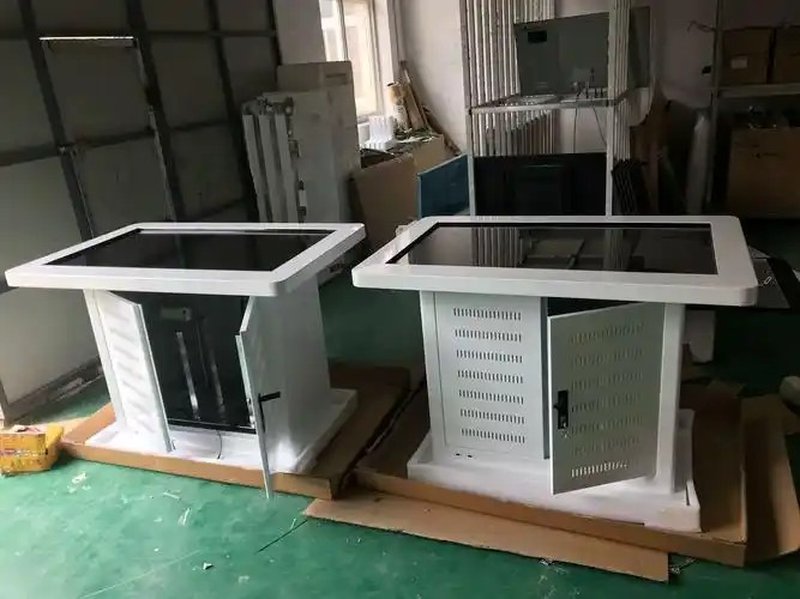
Core Functional Applications
1. Dynamic Multimedia Presentation: Serves as a powerful, eye-catching interactive showcase for brand promotion, high-tech exhibits, and product presentations.
2. Intuitive and Simple Operation: Delivers a zero-learning-curve user experience, making it ideal for interactive data queries, self-service browsing, and collaborative exploration.
Through this comprehensive overview, you now have a clearer understanding of touch recognition tables and how they bridge the physical and digital worlds to create captivating interactive experiences. In conclusion, adopting a professional Touch Recognition Table Technology enhances presentation capabilities, engages multi-user audiences, and drives digital transformation.
Looking for customized Touch Recognition Table Technology hardware, multi-touch interactive tables, or OEM/ODM commercial display solutions? Feel free to contact the ZXTLCD engineering team for free consultations, product demos, and tailored technical specifications.