
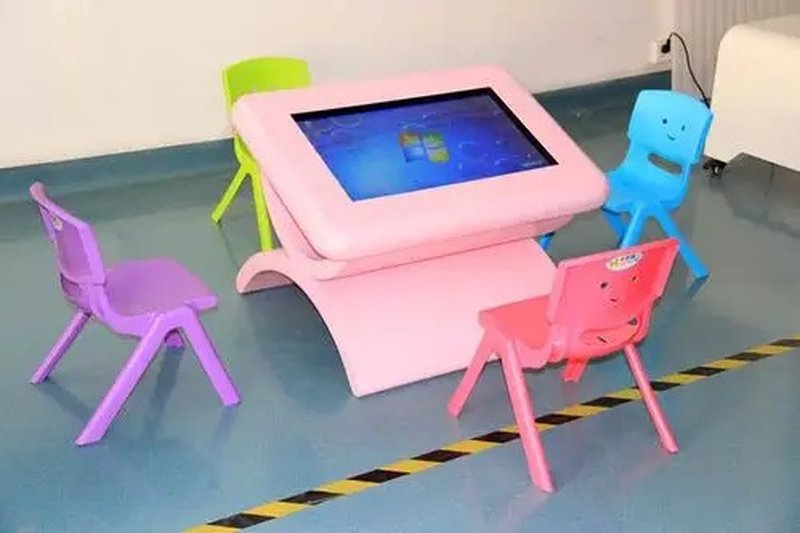
Deploying a commercial-grade Object Recognition Touch Table Applications provides interactive venues with an advanced digital display platform. With the continuous advancement of digital technology, traditional methods of displaying information are evolving toward greater interactivity, digitalization, and immersive experiences. In exhibition halls, trade shows, and commercial spaces, an increasing number of settings are adopting interactive digital display devices to enhance intuitive communication and audience engagement.
Object recognition touch tables integrate touch interaction, digital content display, and tangible object recognition technology. By identifying specific physical objects, markers, or dedicated recognition pucks/modules, the system presents corresponding images, videos, text, and other digital assets according to predefined rules. This interactive model expands the possibilities of modern display design, helping venues transform abstract information into vivid, hands-on interactive experiences.
Object Recognition Touch Table Applications: 1. Exhibition Halls: Creating Interactive Information Display Experiences
Exhibition halls frequently need to present culture, science, technology, history, industrial development, or other thematic topics. While traditional display boards and static exhibits convey foundational information, they face limitations in interactivity and narrative depth.
Object recognition touch tables introduce interactive display touchpoints to exhibition halls through digital interfaces and recognition modules. When visitors place a designated physical object or module onto a specific area of the screen, the system triggers pre-configured introductory content, images, videos, or dynamic multimedia.
For instance, in science and technology museums, different tangible modules can represent distinct scientific principles or educational themes. In corporate showrooms, physical models can trigger breakdowns of product architecture, application scenarios, and technical specifications.
Moreover, the appearance and digital mapping of each recognition module can be custom-tailored to the exhibition theme, bridging physical objects and digital knowledge. This approach not only boosts visitor participation but also provides docents and curators with a much more flexible way to organize thematic narratives.
2. Trade Shows and Exhibitions: Making Product Displays More Intuitive
At industry expos and specialized trade shows, presenting product highlights and complex technical information clearly and efficiently is a core challenge of booth design.
Object recognition touch tables bridge physical showcase elements with rich digital media. By recognizing pre-configured physical modules or product replicas, the system instantly delivers product photo galleries, functional overviews, application videos, and supporting technical documentation.
For example, in industrial equipment showcases, distinct recognition pucks can represent different machinery models or system solutions. At tech expos, attendees can pick up different physical modules to explore underlying technical architectures, component breakdowns, or deployment case studies.
Compared to static graphic panels, this tactile interaction empowers attendees to proactively explore topics of personal interest and browse at their own pace.
For scenarios featuring diverse product lines or complex information hierarchies, curators can systematically map recognition modules, touch interfaces, and content layers according to exhibition themes, ensuring an organized and engaging flow of information.
The specific recognition objects and interaction workflows depend on the underlying recognition technology, hardware setup, and custom software design.
3. Shopping Malls: Enhancing Digital Navigation and Information Inquiries
Large shopping malls span multiple floors, a wide variety of retail stores, and diverse commercial amenities. Helping shoppers quickly grasp the architectural layout, locate destinations, and access relevant services is a central objective of digital wayfinding systems.
Object recognition touch tables can be seamlessly integrated with mall directory applications, offering interactive 3D floor maps, level-by-level layouts, brand profiles, and service inquiries.
In an object-recognition-enabled setup, specific physical tokens can correspond to particular floors, zones, or promotional themes. When shoppers place a module or interact with the screen, the system immediately pulls up relevant, pre-configured information.
For instance, different modules can link to specific floor maps, store categories, or event highlights, while the multi-touch screen allows visitors to zoom, pan, filter store directories, and switch categories freely.
This approach makes digital wayfinding more engaging and intuitive, offering mall operators fresh ideas for interactive spatial information services. Specific navigation performance depends on map data precision, software capabilities, and on-site hardware configuration.
4. Application Value of ZXTLCD Object Recognition Touch Tables
ZXTLCD object recognition touch tables offer tailored solutions tailored to specific exhibition themes, recognition requirements, and interaction workflows. They are widely applicable to corporate showrooms, industry expos, commercial spaces, and other environments demanding seamless integration between physical objects and digital media.
When planning a customized solution, key considerations include:
Recognition Methodology: Selecting the optimal recognition technology and compatible physical modules based on the display items.
Content Architecture: Establishing clear, intuitive associations between physical tokens and corresponding graphics, videos, text, or interactive applications.
Interaction Flow: Crafting straightforward visual prompts and instructions so users can effortlessly grasp how to interact.
Interface Layout: Organizing navigation menus, information hierarchies, and active display zones based on display content and real-world usage scenarios.
Content Management: Structuring digital asset maintenance and updates according to software platform capabilities.
By effectively unifying physical object recognition, multi-touch operations, and dynamic digital content, display equipment evolves from a passive media player into a versatile digital platform that fosters proactive exploration and meaningful engagement.
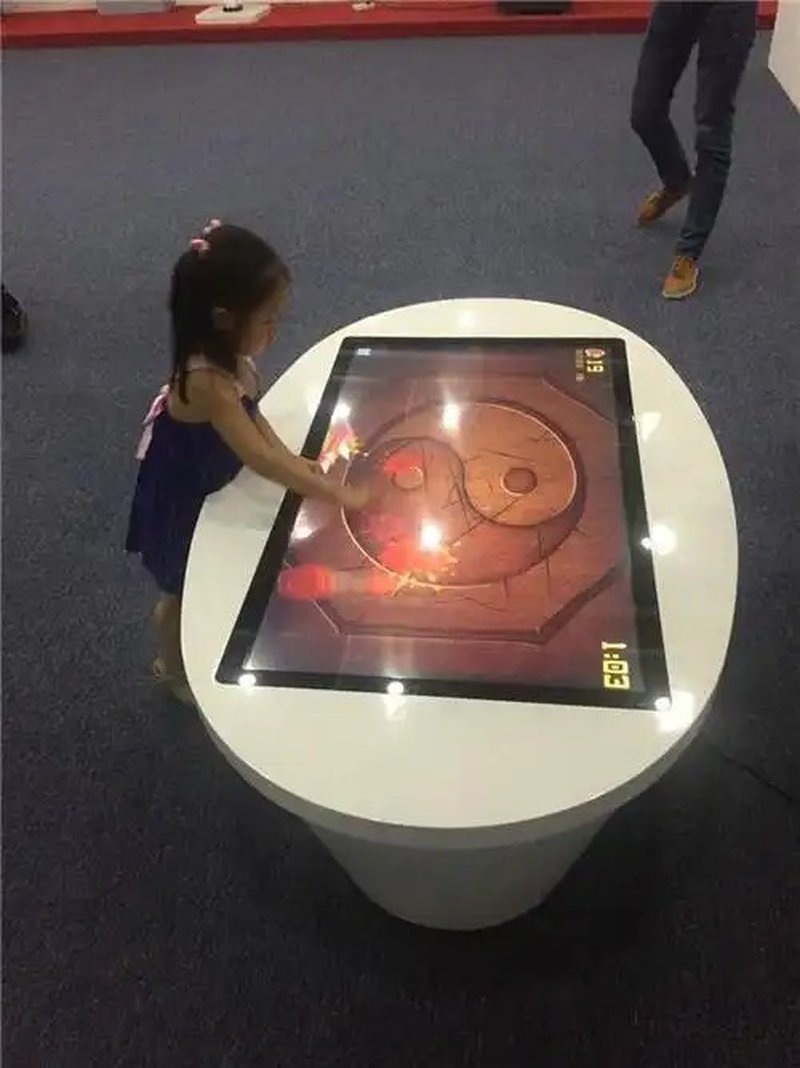
5. Conclusion
By establishing direct links between physical objects and digital information, object recognition touch tables deliver more engaging, interactive presentations across showrooms, trade exhibitions, and shopping centers.
In exhibition halls, they facilitate thematic storytelling and interactive learning; at trade shows, they help prospective clients understand complex products and technical nuances; in retail malls, they elevate digital navigation and information queries into an interactive spatial service.
ZXTLCD provides comprehensive object recognition touch table solutions tailored to the unique goals of diverse application scenarios. Through thoughtful design of recognition modules, intuitive touch interfaces, and dynamic digital content, venues can maximize the synergy between physical exhibits and digital technology, driving forward-thinking innovation in modern display design. In conclusion, adopting a professional Object Recognition Touch Table Applications enhances presentation capabilities, engages multi-user audiences, and drives digital transformation.
Looking for customized Object Recognition Touch Table Applications hardware, multi-touch interactive tables, or OEM/ODM commercial display solutions? Feel free to contact the ZXTLCD engineering team for free consultations, product demos, and tailored technical specifications.