
Object Recognition Table Interaction in Multimedia Exhibition Halls

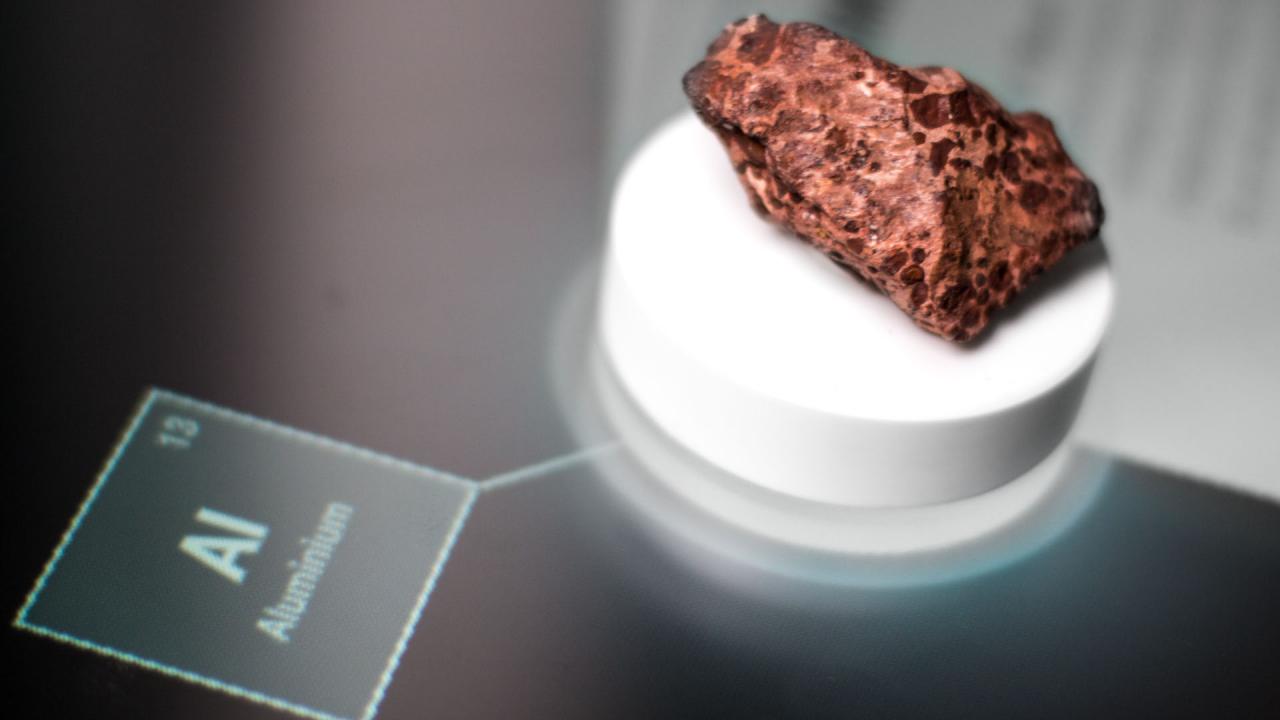
As an interactive system integrating data acquisition, image preprocessing, feature extraction, object recognition, and result output, the object recognition table is widely used in education, commercial entertainment, and many other fields. Its interactivity and innovation provide users with a brand-new experience.
Interaction Principle
1. Data acquisition: A camera or other sensors capture images of objects on the tabletop. The collected data includes features such as the objects' shape, color, and texture.
2. Image preprocessing: The captured images are processed with denoising, enhancement, and edge detection to improve the accuracy of subsequent recognition.
3. Feature extraction: Key features representing the objects—such as shape, size, and color—are extracted from the preprocessed images.
4. Object recognition: Machine learning algorithms (such as neural networks and support vector machines) are used to train and learn from the extracted features. The input features are matched against the trained model to determine the type and position of each object.
5. Result output: The recognition results are output in text, image, or other forms on a display screen or other output device.
Interaction Features
1. Multi-touch: Some object recognition tables support multi-touch with up to 40 touch points, allowing several people to operate simultaneously for better collaborative display and enhanced interactivity.
2. Real-time feedback: The system provides real-time feedback on the user's operations and their effects, helping users promptly discover and correct problems and improving the user experience.
3. Rich content: The object recognition table can hold a wealth of information. Through touch modules, users can query information, watch videos, browse pictures, and perform many other operations, making the interactive content more diverse.
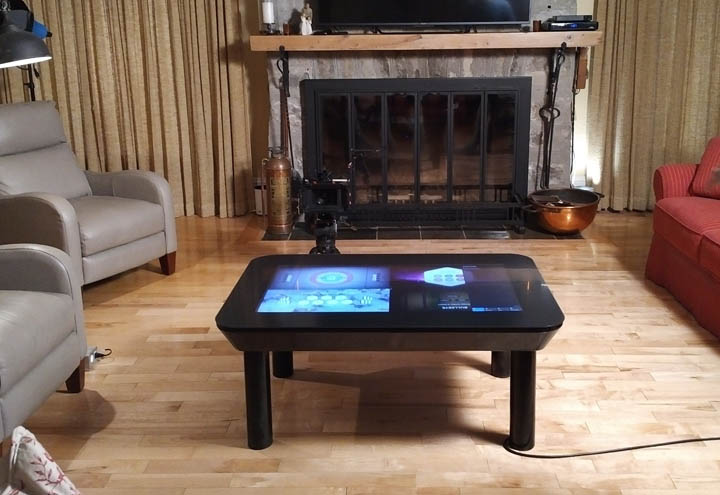
4. Highly customizable: The size, shape, and style of the object recognition table are unrestricted and can be custom designed and developed for different application scenarios and needs, meeting the requirements of different industries and settings.
Application Scenarios
1. Commercial sector: Merchants can use object recognition tables to display products; through touch or scanning recognition modules, detailed product information and usage instructions can be shown. In addition, object recognition tables can be used for advertising promotion, attracting users' attention and enhancing brand image and sales.
2. Entertainment sector: Object recognition tables can be used in various interactive games, such as treasure hunts and puzzle games, providing a rich gaming experience. Some object recognition tables also support AR (augmented reality) technology, bringing users immersive gaming and viewing experiences.
3. Exhibition sector: In museums, science museums, and other exhibition venues, object recognition tables can be used to display cultural relics or exhibits. By recognizing a relic or exhibit, the table presents information such as its historical background and craftsmanship, enhancing the visitor experience.
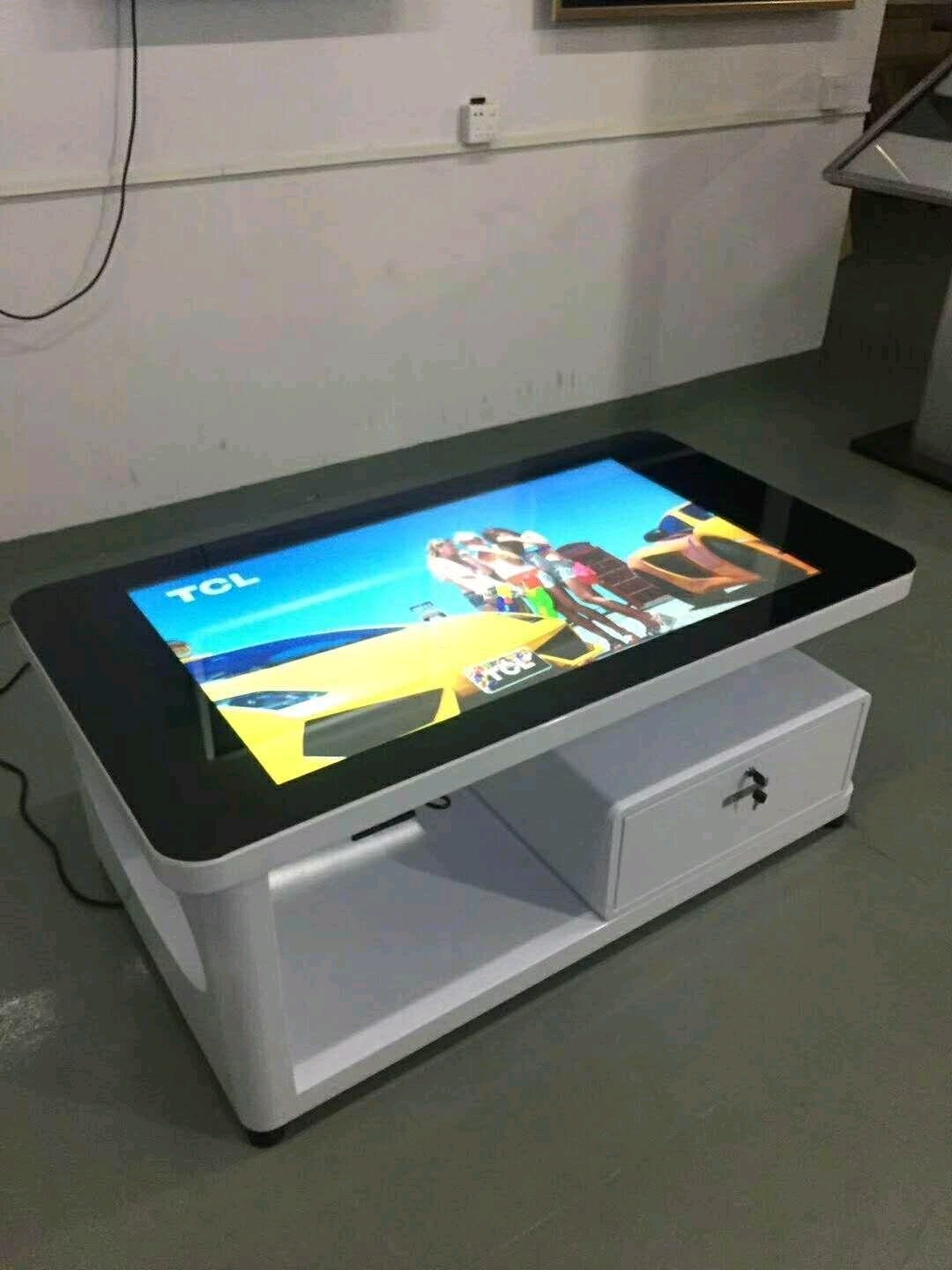
ZXTLCD is a leading domestic supplier of digital multimedia visual creativity services, providing multimedia solutions for large museums, planning halls, science museums, corporate culture exhibition halls, exhibition centers, and more, offering one-stop services from creativity, planning, software and hardware services to installation, commissioning, and 3D tracking.
We have always monitored industry development with an international perspective, persisting in continuous breakthroughs and innovation, pursuing win-win cooperation, and striving to provide users with better solutions and more suitable products.
In this format, the interactive table becomes a practical interface between physical exhibits and digital content.
Explore Related Interactive Table Solutions
For related configurations and product formats, explore our interactive table solutions.