
How to Design an Interactive Tabletop Experience

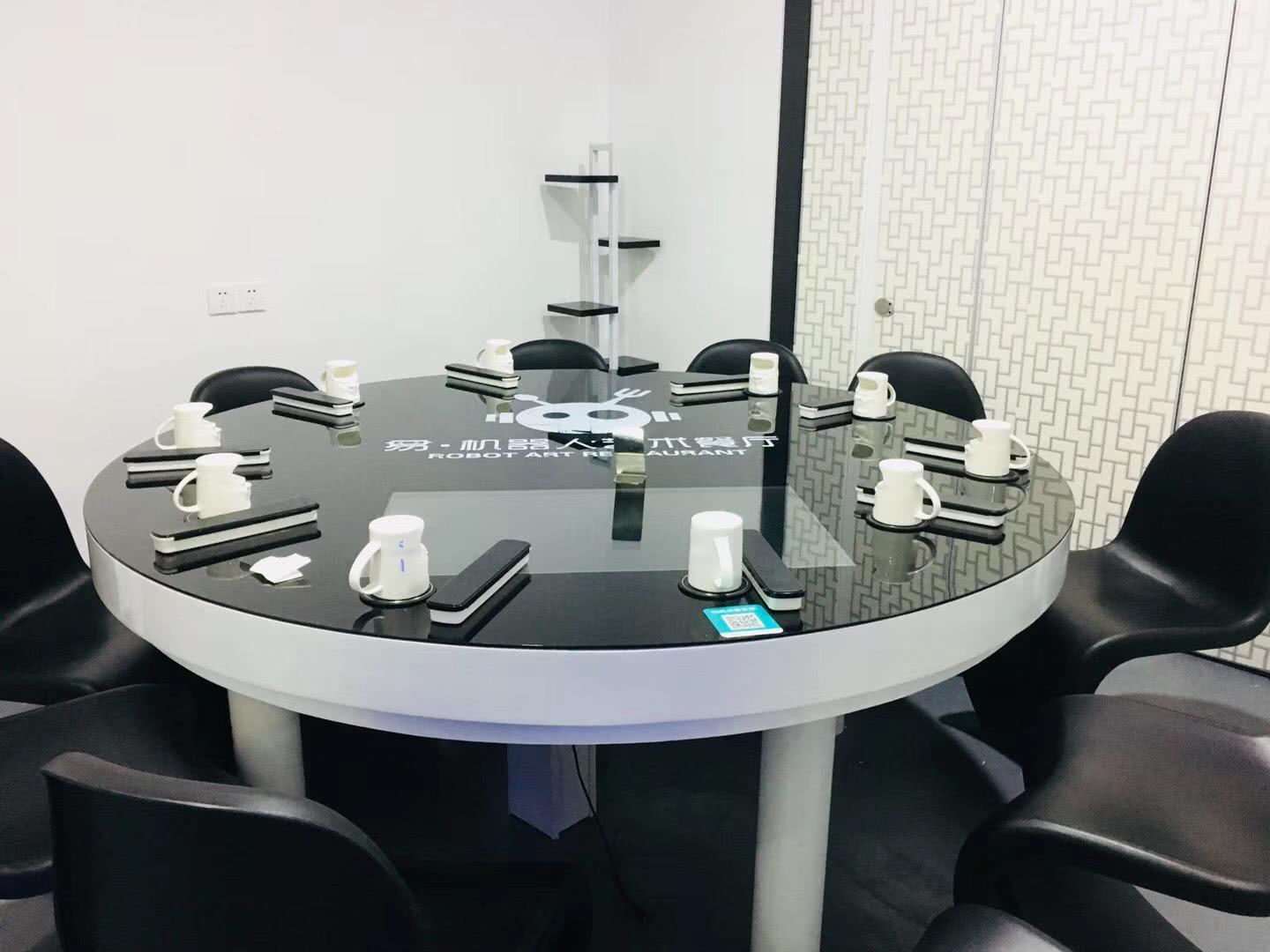
How to Design an Interactive Tabletop?
Today, amid the rapid development of digital technology, content exhibitions serve as a vital link with the public, making the upgrade of interactive experiences especially important. Single-point touch interaction, though once the mainstream form of interaction, has gradually revealed its limitations as time and technology have moved on. We have therefore explored diversified interaction modes such as multi-touch and gesture recognition, whose application advantages have been demonstrated in all kinds of installations. Today, using the exhibition hall interactive tabletop installation as an example, we take an in-depth look at its diverse implementation forms and how they markedly improve interactive effect and quality.
Object Recognition Table
The upgraded exhibition hall interactive tabletop installation introduces object recognition technology, capable of rapidly recognizing modules placed on the tabletop and displaying relevant information in real time, transforming an ordinary tabletop screen into a multifunctional interactive tabletop. Visitors need only lightly touch the surface to interact with product models in real time, allowing them to intuitively browse text, images, videos, and other multimedia information. It even supports simultaneous operation by multiple people, enhancing visitors’ sense of participation and the efficiency of information transfer.
Tabletop Projection Interaction
Projection technology is a second innovative form of tabletop interaction. It projects virtual images and information directly onto the tabletop, combining them with physical exhibits to create a fused virtual-real interactive effect. Visitors can interact with the projected content through touching, swiping, and other operations to explore information about the exhibits.
Beyond these implementation forms of the exhibition hall interactive tabletop installation, more stable hardware and software systems have also been adopted, ensuring stable performance over long periods of operation. This also facilitates subsequent maintenance and updates, allowing managers to adjust content at any time.
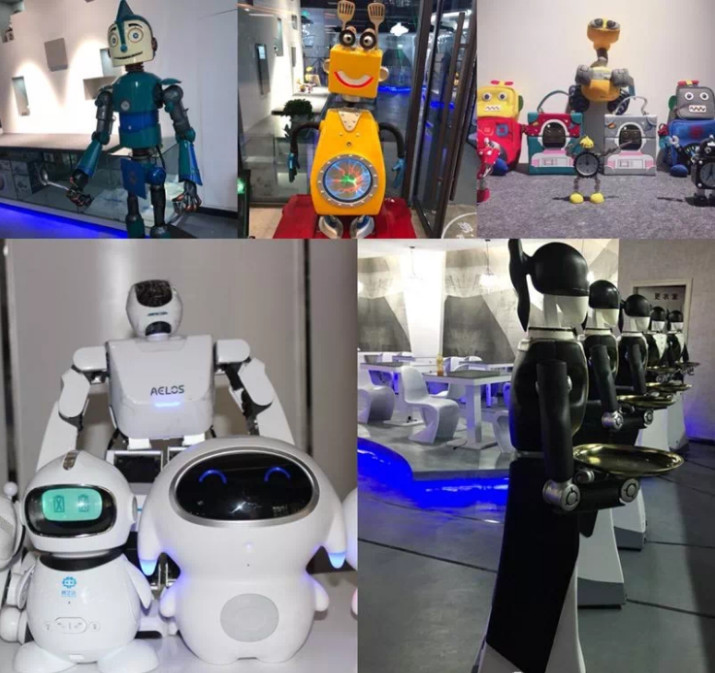
Whether the object recognition table or tabletop projection interaction, both are novel interactive exhibits of today. As digital technology continues to advance, we will apply more novel technical means to all kinds of display installations, bringing visitors an even better interactive experience!
Explore Related Interactive Table Solutions
For related configurations and product formats, explore our interactive table solutions.