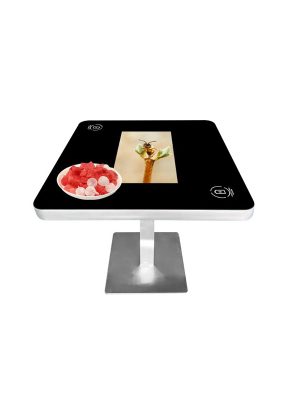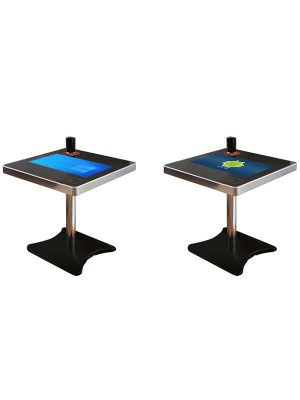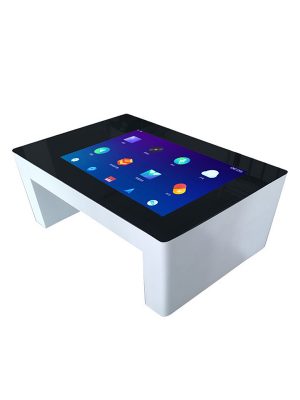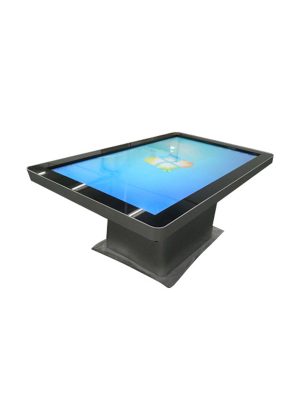

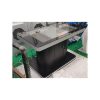
Keep Ideas Moving around a Touchscreen Collaboration Table
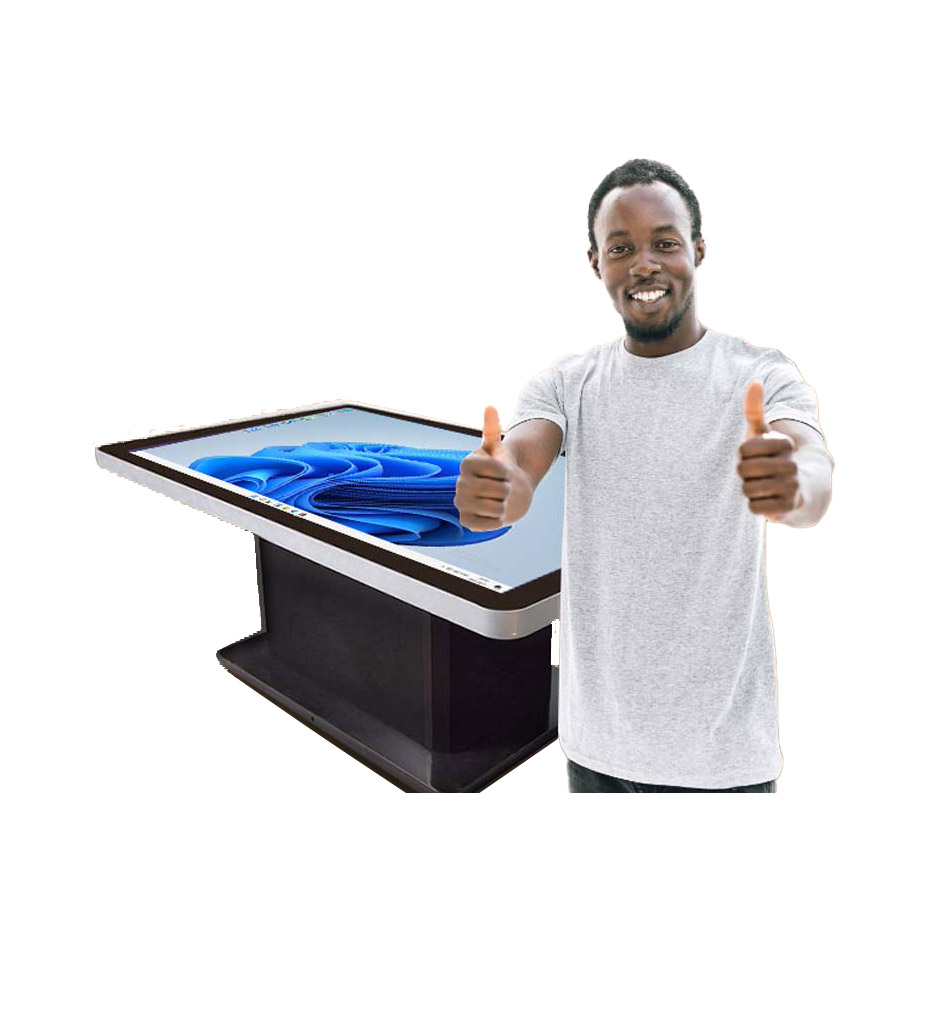
This 43-inch Touchscreen Collaboration Table supports workplace collaboration through a distinctive horizontal interactive format. ZXTLCD provides appearance customization, branding coordination, engineering communication, sample confirmation, and consistent batch production. Buyers can align the system or host arrangement, compatible content, enclosure details, placement, service access, and packaging before approving quantity manufacturing for their commercial project.
Description
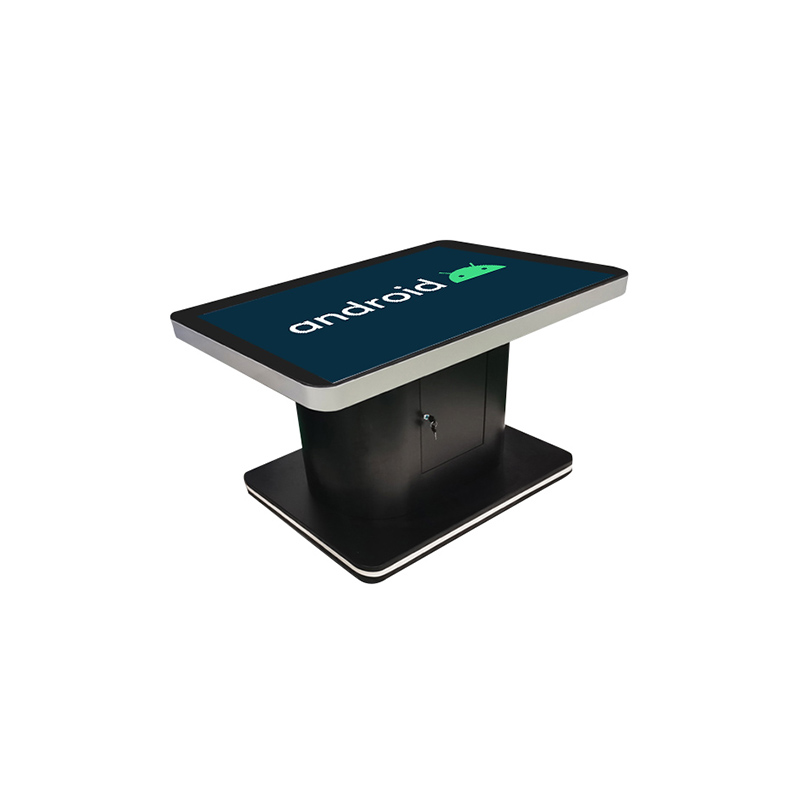
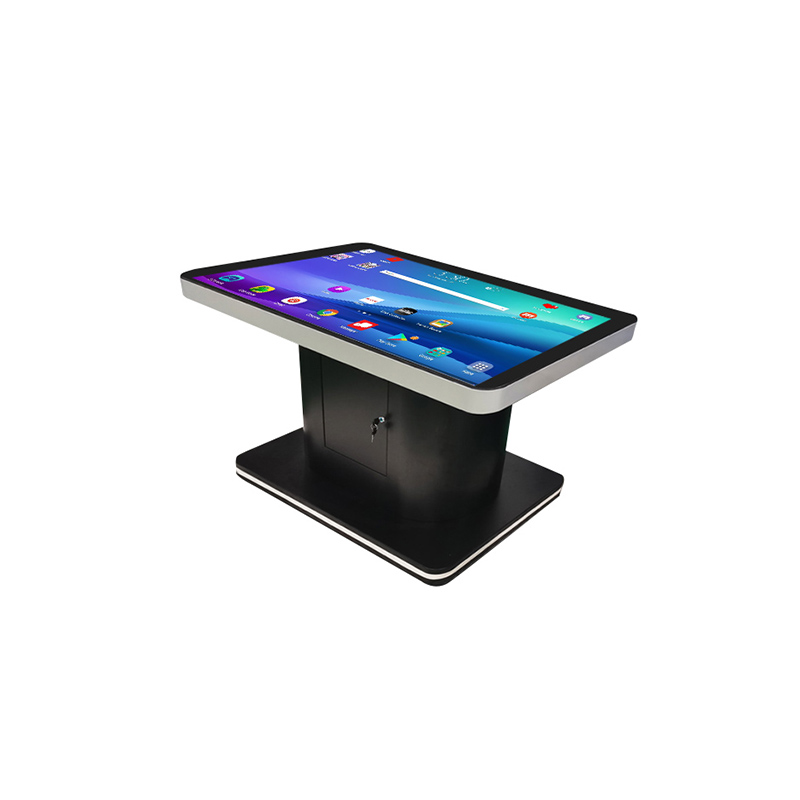
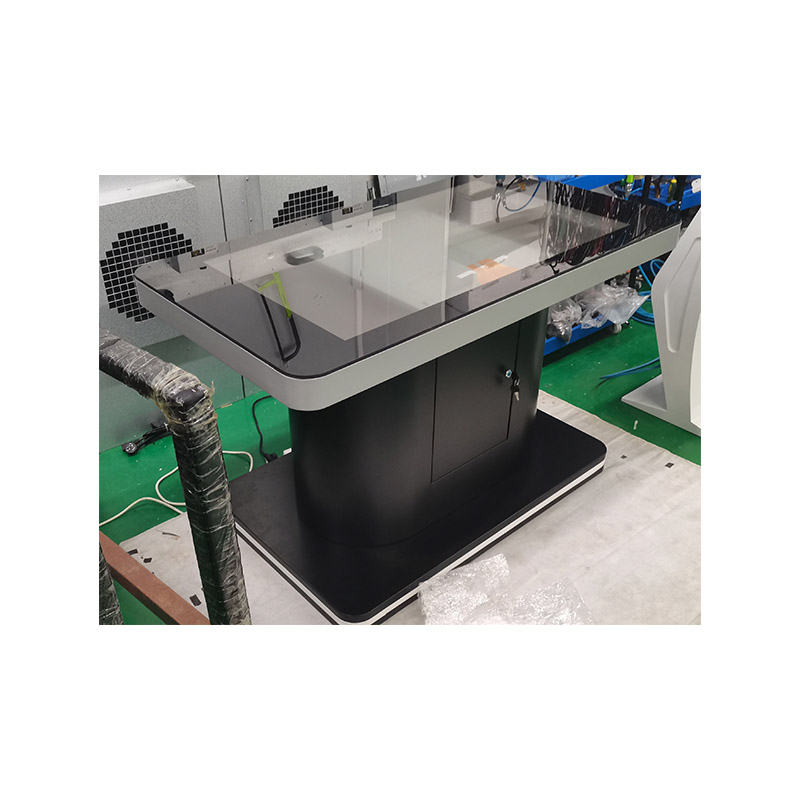
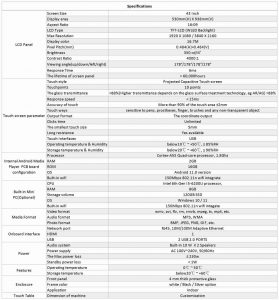
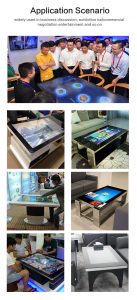
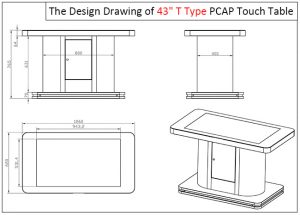
Good collaboration is easier when everyone can point to the same idea without turning away from the group. The Touchscreen Collaboration Table is positioned for workplace collaboration in meeting rooms, innovation spaces, client studios, and collaborative offices. The page specifies a T-shaped 43-inch PCAP table with integrated Windows or Android choices, tempered glass, and presentation, proposal, sales, and collaboration applications. This documented basis supports a focused commercial message without relying on unsupported specifications.
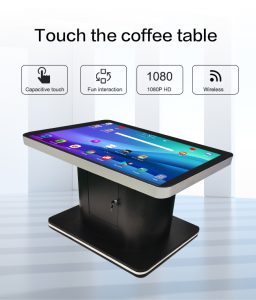
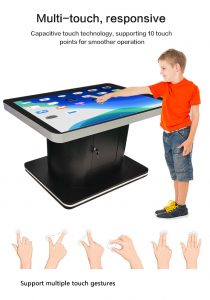
Touchscreen Collaboration Table for Active Teamwork
Wall displays concentrate control in one position, while laptops fragment attention across separate screens. A horizontal shared surface keeps visual material in the center of the conversation and gives several participants a natural way to contribute. For office integrators, meeting-room planners, design teams, and commercial furniture distributors, the useful question is not how many possible functions can be listed, but which experience the approved product must deliver consistently.
Teams can review compatible presentations, plans, images, dashboards, or proposals together. Participants can enlarge details, compare alternatives, and move through content while maintaining face-to-face discussion. A Touchscreen Collaboration Table becomes more persuasive when the buyer tests representative content instead of judging only a generic demonstration. Early content review also helps determine the right operating system, host arrangement, interface needs, and service plan.
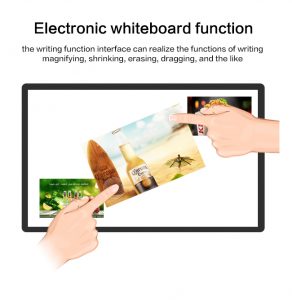


Conversation Stays at the Center
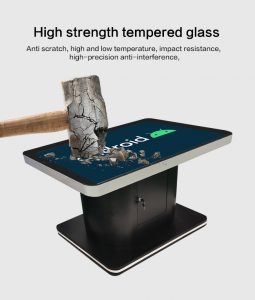
The T-shaped enclosure gives the product a clear furniture identity. Room planners should consider seating, viewing direction, cable exit, service access, and whether the selected Windows configuration supports the software used by the team. The project should record these physical decisions alongside the chosen application so interior, technical, purchasing, and operating teams work from the same assumptions.
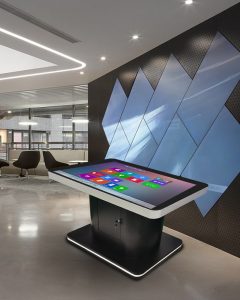
Review the Workflow before the Furniture Is Frozen
A representative meeting workflow should be tested during sample review so the buyer can evaluate touch behavior, content scale, computing performance, and physical placement as one experience. This gives the Touchscreen Collaboration Table a practical acceptance basis covering appearance, interaction, computing, content compatibility, placement, and maintenance.
Commercial evaluation should include the work that happens after installation. In meeting rooms, innovation spaces, client studios, and collaborative offices, buyers may need to update content, guide first-time users, clean the surface, reach service components, or relocate supporting equipment. Project teams should decide who owns each responsibility and how success will be assessed. For office integrators, meeting-room planners, design teams, and commercial furniture distributors, clear operating expectations make quotations easier to compare and reduce the risk of selecting extra features that do not serve the main application. They also help distributors describe the solution accurately to end customers and support future repeat orders with fewer configuration questions.
From Meeting-Room Sample to Repeat Supply
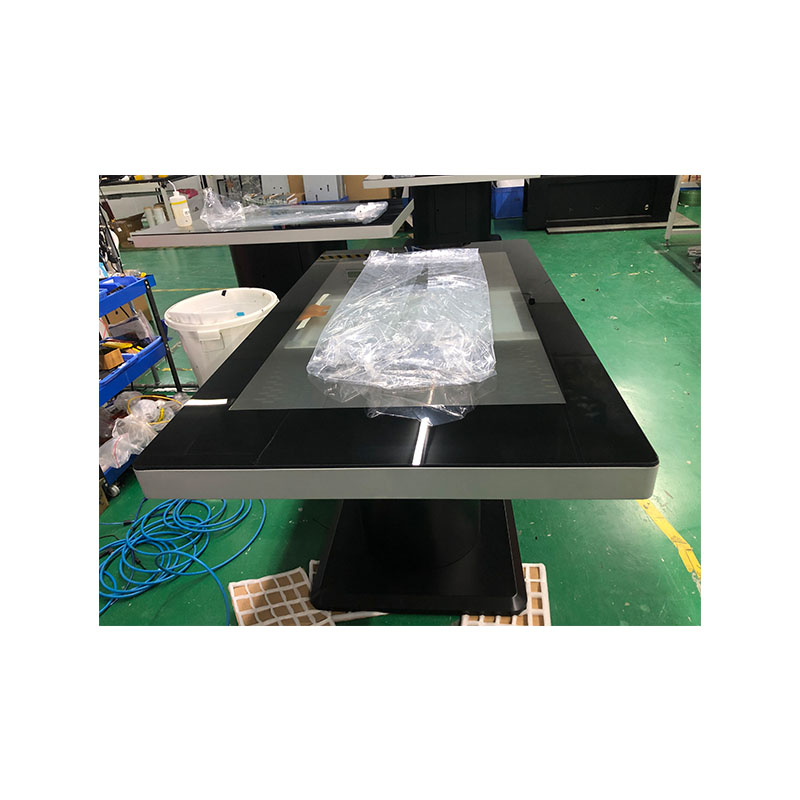
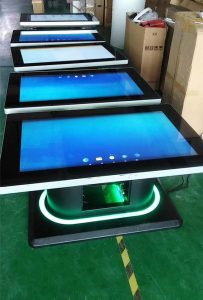
ZXTLCD can coordinate confirmed OEM requirements such as enclosure color, branding, logo position, computing configuration, interface arrangement, and packaging. For the Touchscreen Collaboration Table, the approved sample should become the production reference shared by engineering, purchasing, assembly, inspection, and the buyer. Recorded decisions support batch consistency and make later replenishment more predictable.
Before quantity production, both sides should confirm power access, cable exit, service clearance, compatible content responsibility, packaging expectations, and delivery sequence. This communication is part of manufacturing quality because a technically functional unit can still disappoint if the physical installation or operating workflow was never defined. Clear project records give buyers a more dependable route from concept to continuing supply.
The result should feel like a working center for decisions rather than a screen added to a meeting table. A Touchscreen Collaboration Table succeeds commercially when the physical product, user journey, and approved production details remain aligned. This disciplined handoff also helps sales and service teams understand exactly what was approved for the installation.
If you would like to get the specification about above product, or you hope to discuss your requirements or need any additional information on our this product , then please do not hesitate to send us a inquiry and contact our sales team now.