
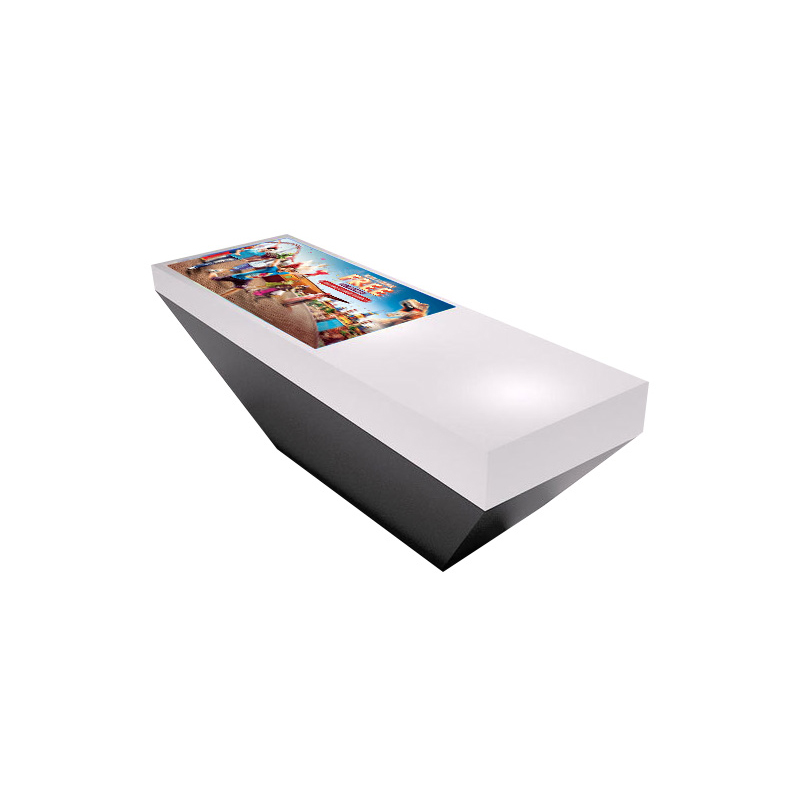
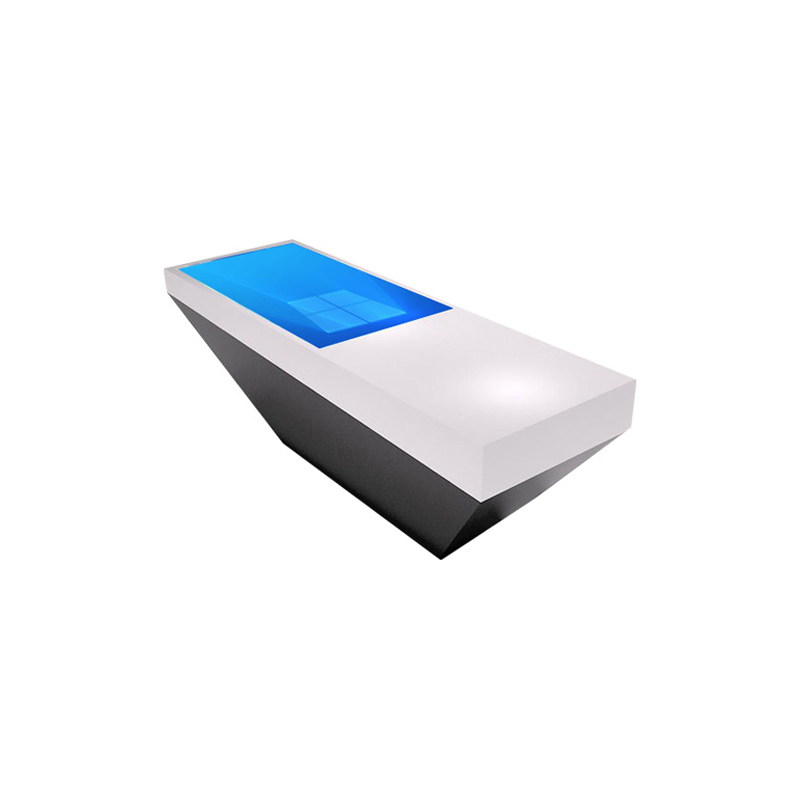
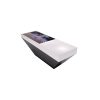
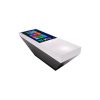
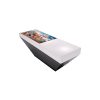
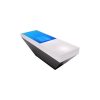
Connect Physical Objects with Digital Stories through a Touch Display Table
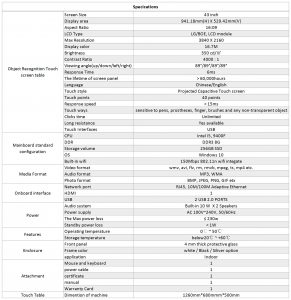
This 43-inch Touch Display Table supports object-recognition exhibits through a shared interactive surface suited to indoor commercial projects. ZXTLCD provides appearance customization, branding coordination, sample confirmation, engineering communication, and repeatable production support. Buyers can align the selected system, content, enclosure details, and deployment plan before moving into batch manufacturing planning.
Description
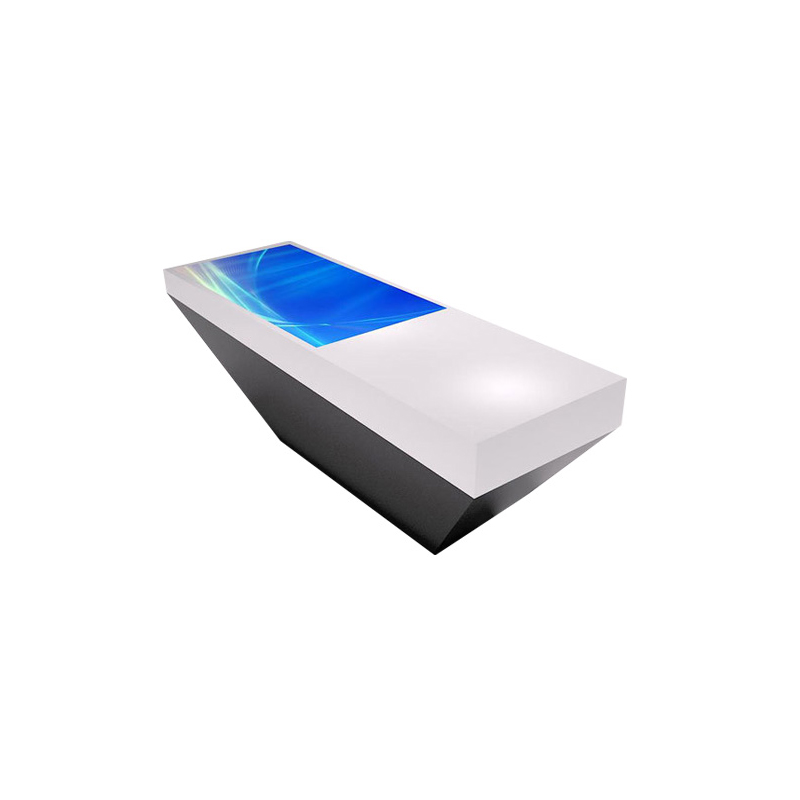
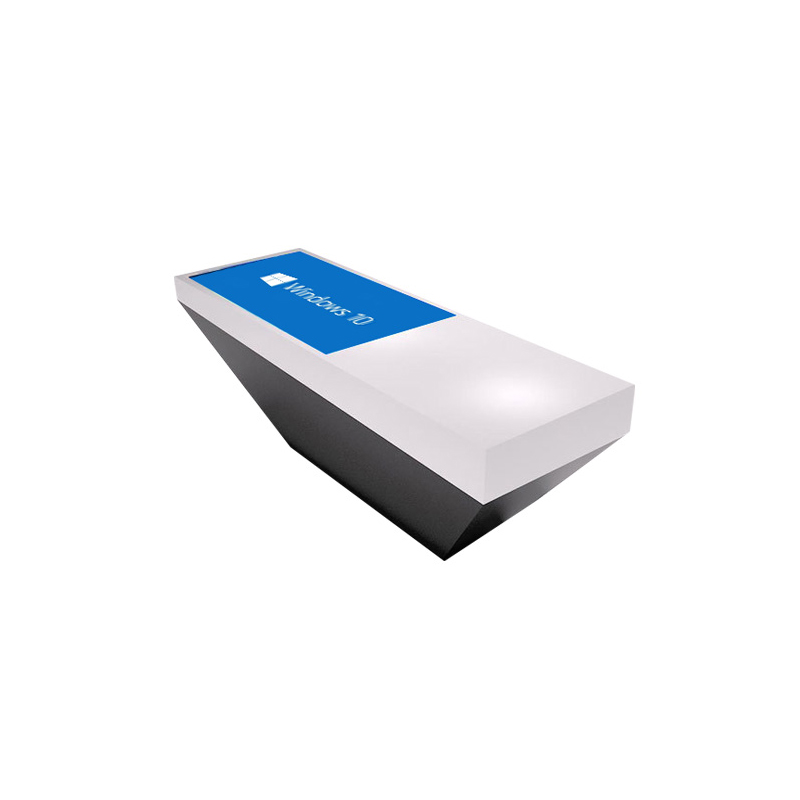
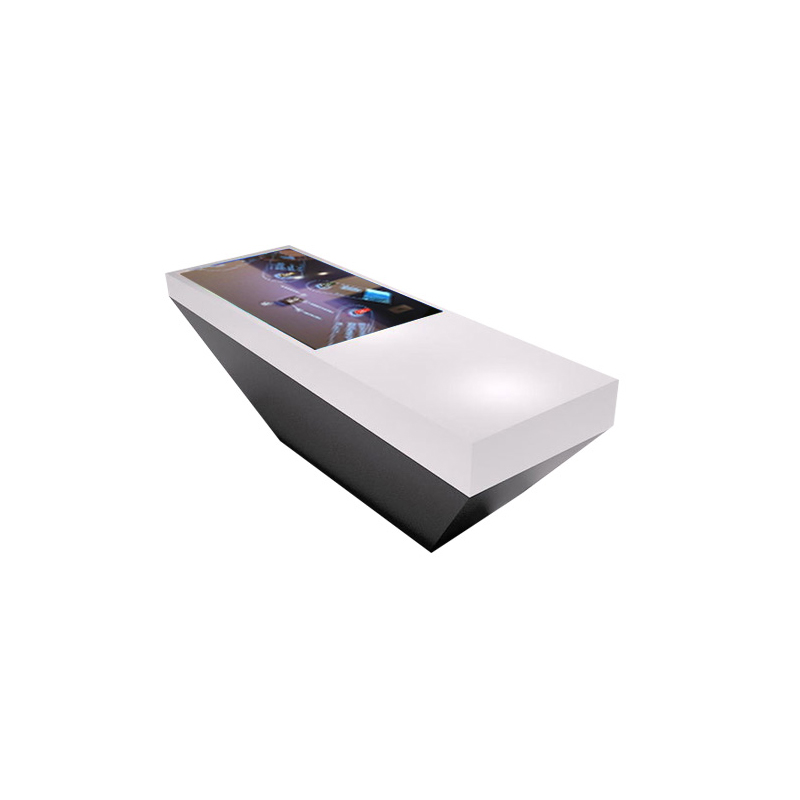
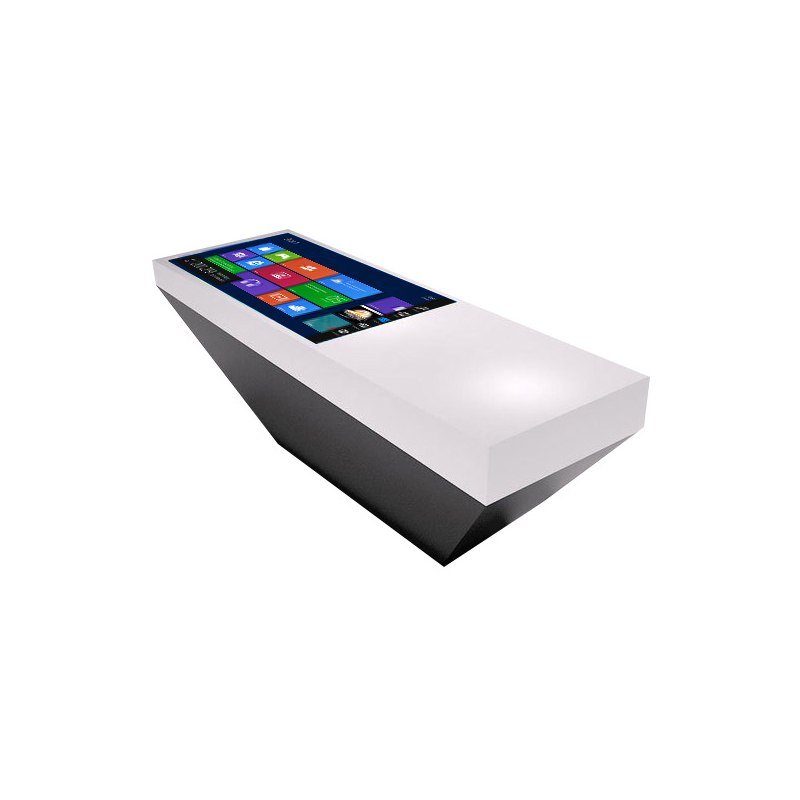
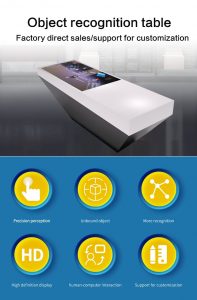
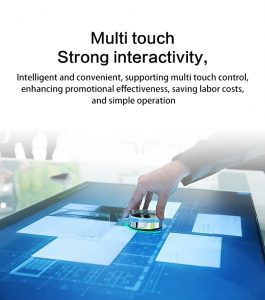
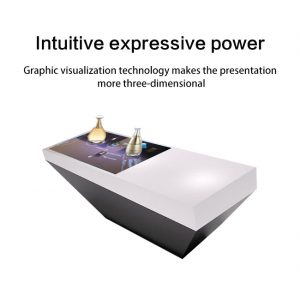
An exhibit becomes more memorable when the physical object is not separated from its explanation. Recognition modules can make the item itself the starting point for digital discovery. The Touch Display Table creates a shared digital point for museums, product showrooms, education spaces, exhibitions, and interactive demonstration areas. The page describes physical recognition modules, token-triggered media, parameter-control knobs, and capacitive multitouch interaction. The commercial opportunity comes from joining that documented product form with content that serves a clear visitor, staff, learning, or sales objective.
A Touch Display Table for Recognition-Based Experiences
Users can approach the surface together, point to the same detail, and move through compatible media without passing a handheld device around. A Touch Display Table can support self-guided discovery, staff-assisted presentation, or collaborative activity according to the selected application. The horizontal orientation also preserves face-to-face communication, which is important when the screen is meant to support a real conversation rather than replace it.
Content planning should happen before production details are frozen. Catalogs, maps, presentations, educational activities, ordering interfaces, recognition media, or branded campaigns each require a different navigation flow. The Touch Display Table should therefore be reviewed with representative material, not only a demonstration video. This makes it easier to confirm whether the chosen system, host connection, touch method, and interface arrangement fit the real project.
Let Visitors Compare and Explore
The 43-inch tabletop format creates a noticeable interactive area without dominating the room. It can become part of the furniture plan in indoor commercial environments, keeping digital content within reach while maintaining useful surrounding space. Buyers should review viewing distance, user height, cable routing, service access, and the expected number of participants before confirming the enclosure.
Frequently Asked Questions

Can the appearance be customized?
ZXTLCD can discuss enclosure color, branding, logo position, and other confirmed appearance requirements during sample planning.
Should the application be tested before quantity production?
Yes. Representative content helps verify compatibility, touch behavior, navigation, and the selected system or host arrangement before approval.
For museum contractors, exhibition designers, multimedia integrators, and product experience agencies, the buying decision includes more than hardware. The product may need an approved color, logo position, brand treatment, system configuration, or packaging method. ZXTLCD can coordinate these points during sample development. A physical sample gives stakeholders a common reference for evaluating appearance, touch behavior, compatible content, and practical placement before they approve a larger order.
Coordinate Tokens, Content, and Host Processing
A Touch Display Table also gives distributors and integrators a more specific commercial story. Instead of offering another generic display, they can present a solution designed for object-recognition exhibits. That clarity helps sales teams discuss the relevant buyer problem, demonstrate the intended interaction, and avoid promising functions that were not confirmed for the selected configuration.
After sample approval, ZXTLCD can document the confirmed appearance and core configuration for production. Engineering, purchasing, assembly, inspection, and packaging teams can then work from the same basis. This process supports batch consistency and repeat ordering, especially when the Touch Display Table will be deployed at several locations or added to a distributor’s continuing product range.
Project communication should also cover practical details that are easy to overlook during an initial visual review. Power access, cable exit position, maintenance clearance, packaging expectations, delivery sequence, and the person responsible for compatible content can all affect the rollout. Recording these items alongside the approved finish and core hardware gives both sides a clearer acceptance basis. It also helps later purchasing teams understand which decisions are fixed and which options can still be adjusted for a new location. Clear records reduce unnecessary interpretation when sales, engineering, production, and the buyer review the project at different stages.
The final value is created by the relationship between the product, the space, and the content. The Touch Display Table should feel natural to approach, useful to operate, and consistent with the buyer’s visual identity. Beginning with evidence-based requirements and a representative sample gives project teams a practical route from concept discussion to controlled volume supply.
If you would like to get the specification about above product, or you hope to discuss your requirements or need any additional information on our this product , then please do not hesitate to send us a inquiry and contact our sales team now.
Related products
-
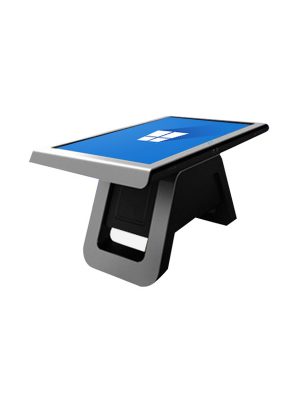
Create Brand Experiences People Remember with an Interactive Touch Screen Coffee Table
-
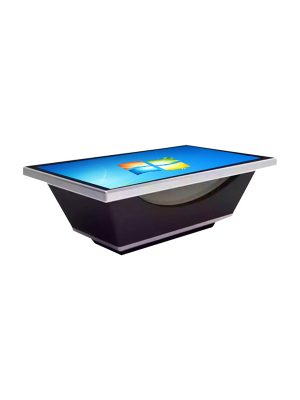
Build Hands-On Product Discovery Around a Smart Touch Screen Table
-
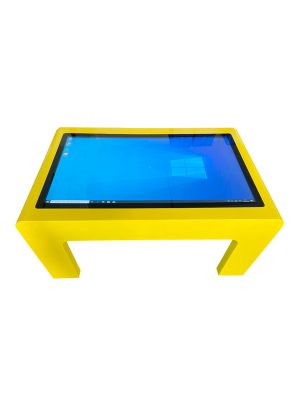
Turn Group Learning into Active Discovery around a Smart Touch Table
-
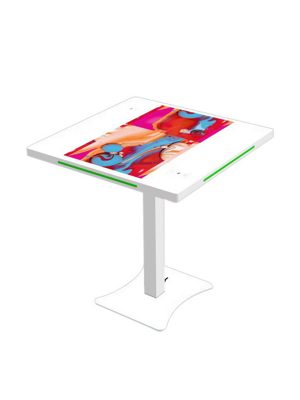
Move Menu Discovery into the Conversation with a Restaurant Ordering Touch Table