
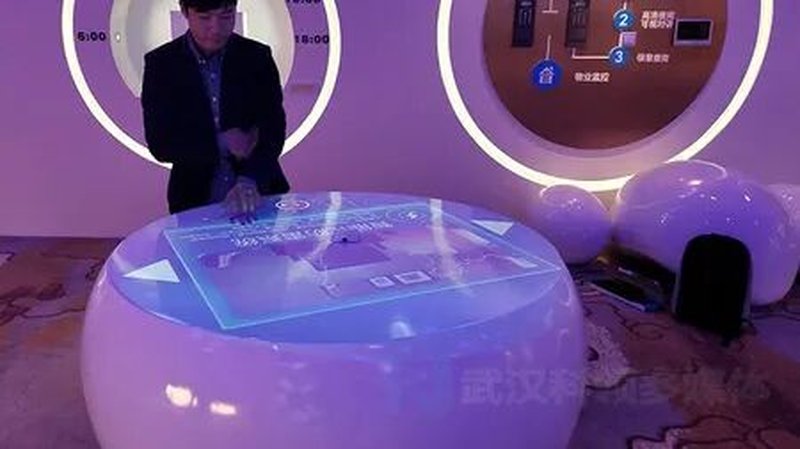
Deploying a commercial-grade Tangible Object Recognition Touch Table provides interactive venues with an advanced digital display platform. Smart interactive recognition tables combine multi-touch interaction, tangible object recognition, and multimedia display capabilities to present images, videos, spatial information, and diverse digital content based on varying application needs. By touching the tabletop, placing recognizable physical objects, or manipulating interactive controls, users can seamlessly participate in intuitive interactions—enabling streamlined information browsing, content switching, and immersive scene exploration.
Interactive touch tables can be categorized into various types according to functionality, display mechanisms, and application environments. Different products are ideally suited for exhibition halls, educational entertainment, commercial spaces, digital experience centers, and spatial navigation. ZXTLCD provides tailored interactive table solutions customized to meet specific project requirements.
1. Standard Touch Tables with a Tangible Object Recognition Touch Table
Standard touch tables integrate the ergonomic physical forms of traditional coffee tables, conference tables, and display plinths with multi-touch interactive systems. While retaining the fundamental utility of a desktop surface, they add robust digital information display and interactive operational capabilities.
Users can directly touch the screen to browse high-resolution images, stream videos, view multimedia presentations, or run specialized software applications. These products are widely deployed in corporate showrooms, reception areas, meeting spaces, educational institutions, and commercial retail environments. The table structure, display diagonal size, and touch technology can all be customized according to operational requirements.
2. Interactive Projection Tables
Interactive projection tables utilize projection display and interactive sensing technologies to render digital content directly onto the tabletop surface. Depending on project specifications, various optical sensing and tracking technologies can be implemented to deliver image viewing, video playback, interactive gaming, and comprehensive information presentation.
Interactive content can be customized to match specific exhibition themes, or standard content templates can be deployed based on the underlying system configuration. These products are particularly suited for themed exhibitions, science education, commercial experiential venues, and interactive event areas, infusing traditional tabletop presentations with dynamic visual energy.
3. Object Recognition Interactive Tables
Object recognition interactive tables associate physical operations with digital data by identifying specific tangible markers or smart interactive pucks. Depending on system configuration, the hardware supports simultaneous multi-user operation and dynamically recognizes the distinct content mapped to different physical tokens.
Users can move, rotate, or slide recognized objects across the surface to browse relevant pictures, descriptive text, video clips, and interactive content. Advanced configurations also support multi-touch gestures such as pinch-to-zoom, pan, and rotate directly on the screen content.
These interactive tables are exceptionally well-suited for product showcases, digital master-planning sandboxes, cultural heritage exhibitions, STEM education, and urban planning halls. They elevate information exploration from simple on-screen tapping into an engaging, intuitive physical-to-digital (phygital) interactive experience.
4. Educational Puzzle Projection Game Tables
Educational puzzle projection game tables merge interactive projection technology with gamified themed content, creating a highly engaging, participatory environment through dynamic imagery and physical surface interaction.
Depending on the projection hardware and software configuration, the surface can render diverse thematic environments—such as starry galaxies, enchanted forests, marine depths, or natural landscapes—while supporting interactive multiplayer gameplay. Users participate via touch gestures or other supported input methods. These tables are widely applied in parent-child entertainment centers, children’s activity zones, family-friendly dining spaces, and themed recreational venues.
Specific game genres, interaction mechanics, and content libraries can be customized according to project parameters.
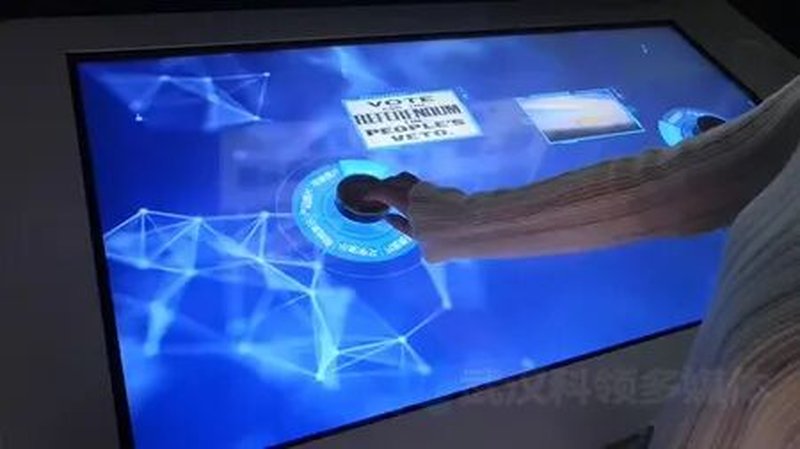
5. Magic Interactive Sand Tables
Magic interactive sand tables combine real sand topography with dynamic augmented-reality projection. By actively detecting changes in sand elevation, contours, and user manipulation in real time, the system renders corresponding visual and physical simulation effects.
Users interact by piling, digging, shaping, and shifting the physical sand, immediately observing real-time digital visual feedback—such as volcanic eruptions on peaks, rivers carving through valleys, or lush vegetation growing on plateaus. Depending on software integration, thematic modules such as treasure hunts, coastal shores, natural ecosystems, seasonal cycles, and aquatic exploration can be incorporated.
Magic sand tables are ideal for early childhood education, science centers, family activities, museums, and interactive entertainment spaces. Specific sensing accuracy, game mechanics, and visual effects are tailored to the selected hardware and software framework.
6. Multimedia Exhibition Interactive Tables
Multimedia exhibition interactive tables focus on integrated, multi-faceted digital presentations. According to architectural and exhibition design requirements, they can be configured with composite display arrangements, such as horizontal tabletop screens paired with vertical display totems or bespoke curved screens.
By synchronizing multiple display surfaces, the system seamlessly links product specifications, images, promotional videos, data charts, and interactive controls into a unified narrative. Users can navigate content via touch or other configured modalities, gaining multi-dimensional insights into the exhibition theme.
This solution is ideal for corporate showrooms, brand flagship stores, product launch events, digital art galleries, and commercial experience centers. Display form factors, screen configurations, and interactive workflows can be flexibly tailored to spatial conditions and project goals.
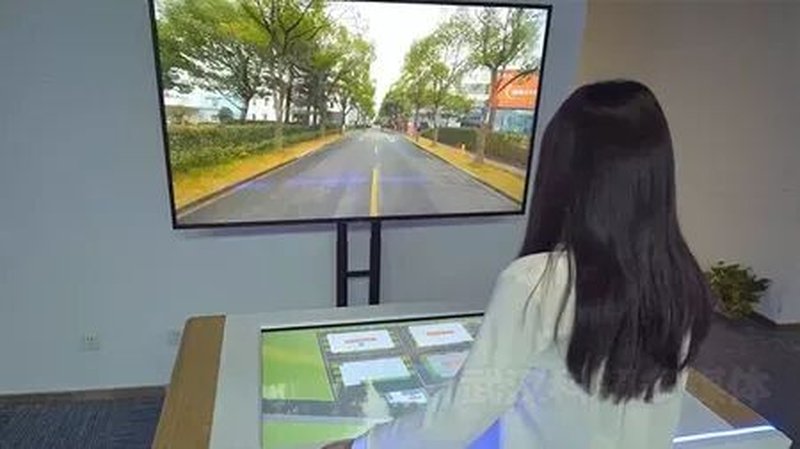
7. Outdoor Panoramic Roaming Interactive Tables
Outdoor panoramic roaming interactive tables combine tangible physical controllers—such as precision rotary knobs or navigation dials—with large-format displays to achieve smooth panoramic video exploration and virtual scene navigation.
By rotating rotary controls or triggering tactile commands, users can adjust viewing angles, change transit routes, or inspect points of interest across the virtual landscape. The system can utilize ultra-high-definition real-world footage or 3D digital twin modeling to build an immersive roaming experience, depending on technical requirements.
These interactive installations are extensively applied in tourist attractions, urban planning centers, industrial park guidance, architectural showcases, and large-scale outdoor development presentations, helping visitors intuitively comprehend layout, environment, and regional planning.
8. ZXTLCD Smart Interactive Recognition Table Solutions
ZXTLCD smart interactive recognition table solutions offer flexible options across standard touch, interactive projection, object recognition, educational gaming, integrated multimedia display, and panoramic roaming.
Throughout project planning and implementation, ZXTLCD determines the optimal table structure, display methodology, and interactive sensing technology by evaluating exhibition objectives, spatial layout, user journey, and software needs. By seamlessly bridging tangible interaction and digital multimedia, our interactive tables deliver intuitive, dynamic, and engaging experiences for exhibitions, education, commercial marketing, and spatial navigation.
If standard configurations do not fully align with your project requirements, customized bespoke engineering and software development services are available to realize your vision. In conclusion, adopting a professional Tangible Object Recognition Touch Table enhances presentation capabilities, engages multi-user audiences, and drives digital transformation.
Looking for customized Tangible Object Recognition Touch Table hardware, multi-touch interactive tables, or OEM/ODM commercial display solutions? Feel free to contact the ZXTLCD engineering team for free consultations, product demos, and tailored technical specifications.