
How Children’s Touch Tables Enable Multi-User Interactive Learning

How Do Children’s Touch Tables Enable Multi-User Interactive Learning? An Analysis of the Technical Principles Behind Educational Equipment
How Children’s Touch Tables Enable Multi-User Interactive Learning
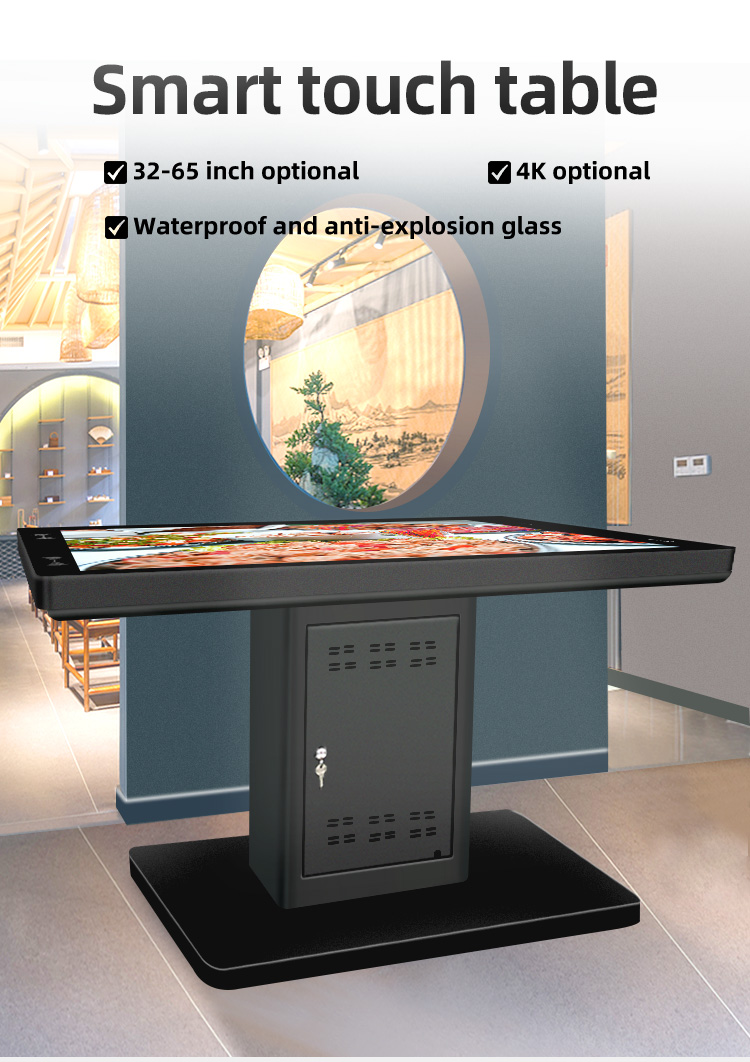
The children’s touch table is a piece of educational equipment integrating touch interaction, multimedia content, and multi-user collaboration. Its core value lies in using technology to restructure traditional reading and learning scenarios. Such devices typically use capacitive or infrared touch technology, paired with customized software systems, to deliver digitalized picture books, gamified interaction, and group collaborative operation.
From a technical standpoint, the interaction logic of these devices is built on multi-touch technology. Unlike the single-user operation mode of ordinary tablets, an education-specific touch table must handle parallel input from multiple touch points, which requires hardware with higher touch sampling rates and stronger anti-interference capability. The software system adopts an event dispatch mechanism, allocating independent threads to touch operations in different areas, ensuring the system remains responsive when multiple users operate it simultaneously. For content presentation, devices usually use split-screen display technology or dynamic content partitioning algorithms so that every participant receives independent operational feedback.
In the educational equipment field, design differences among such products are mainly reflected in interaction modes and content architecture. Quality solutions pay attention to the balance between touch precision and latency control, which directly affects children’s operating experience. Meanwhile, the content management system must support quick switching between Chinese and English bilingual environments and ensure that interactive games match educational goals. The industry typically uses user behavior analysis algorithms to optimize interface layouts so that children of different ages can get started naturally.
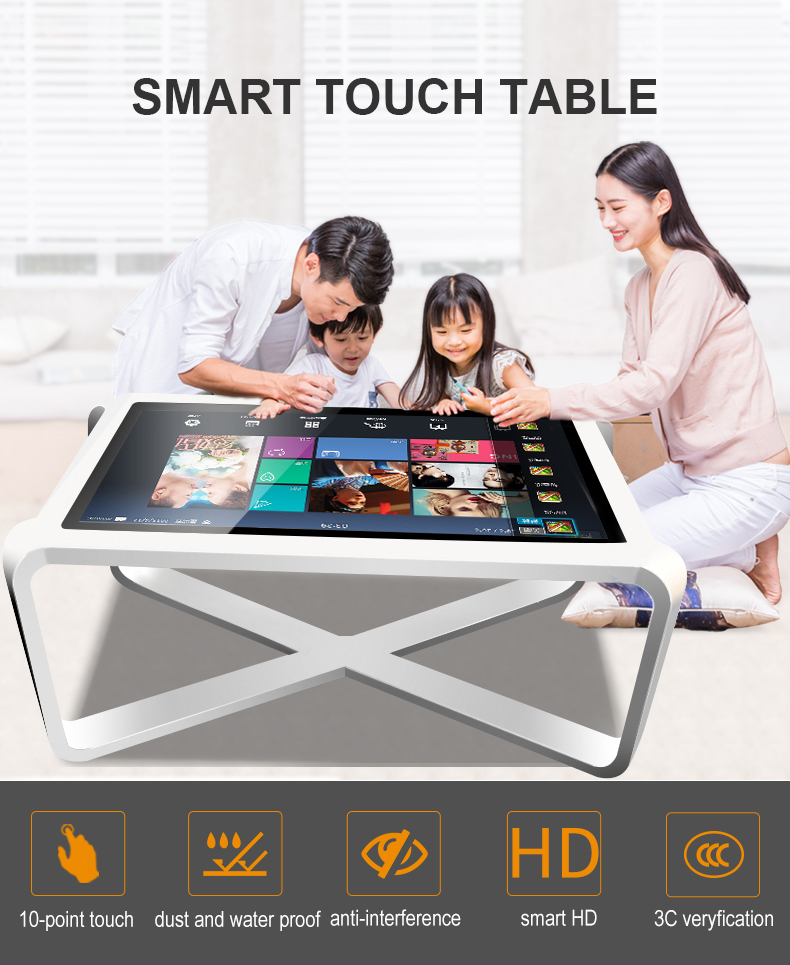
In actual teaching scenarios, the effectiveness of such devices depends on three key factors: whether the hardware response speed keeps up with children’s natural operating rhythm, whether the interactive content has extensible educational value, and whether the system supports real-time monitoring and guidance from the teacher’s end. An excellent implementation turns the device into a medium for classroom collaboration rather than a mere electronic toy—which requires developers to deeply understand the patterns of children’s cognitive development and the needs of teaching scenarios.
Explore Related Interactive Table Solutions
For related configurations and product formats, explore our interactive table solutions.