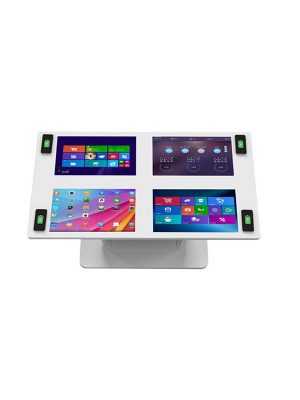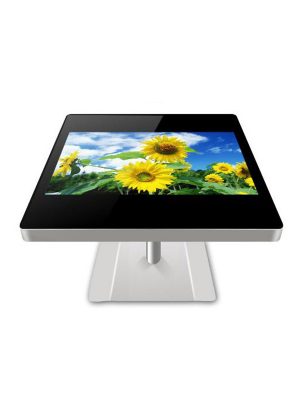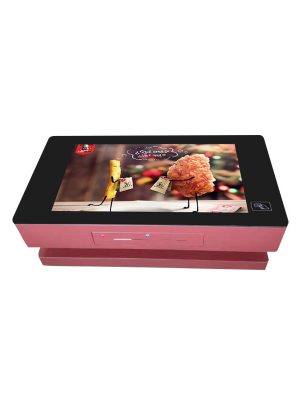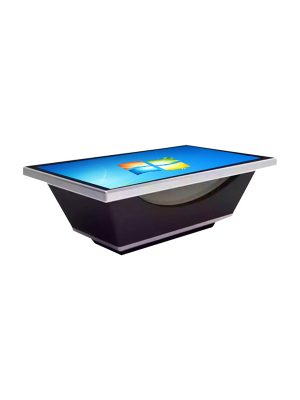
Let Visitors Explore Environmental Stories on a Museum Exhibit Touch Table
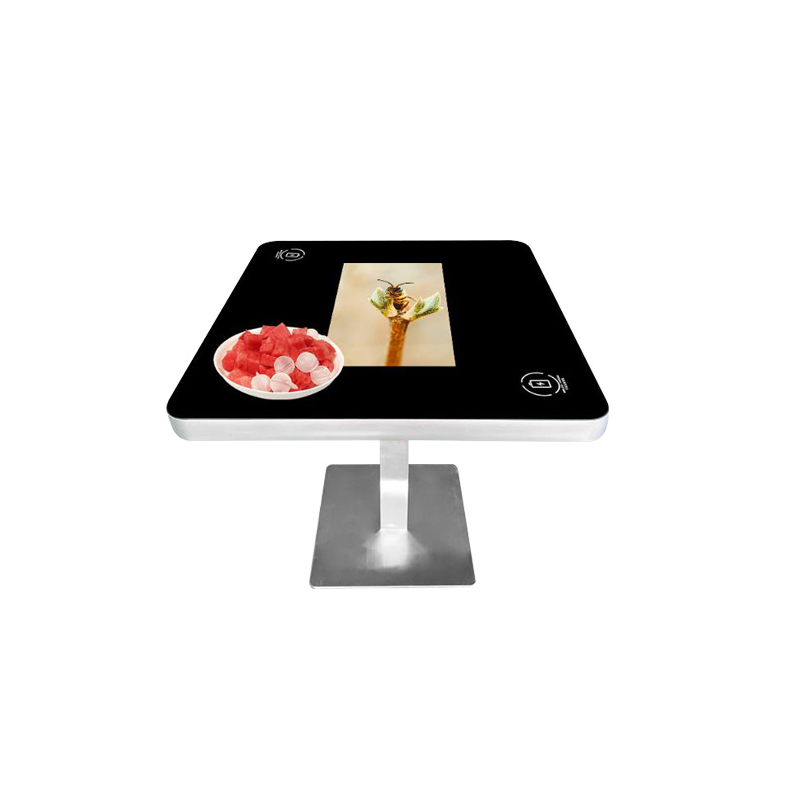
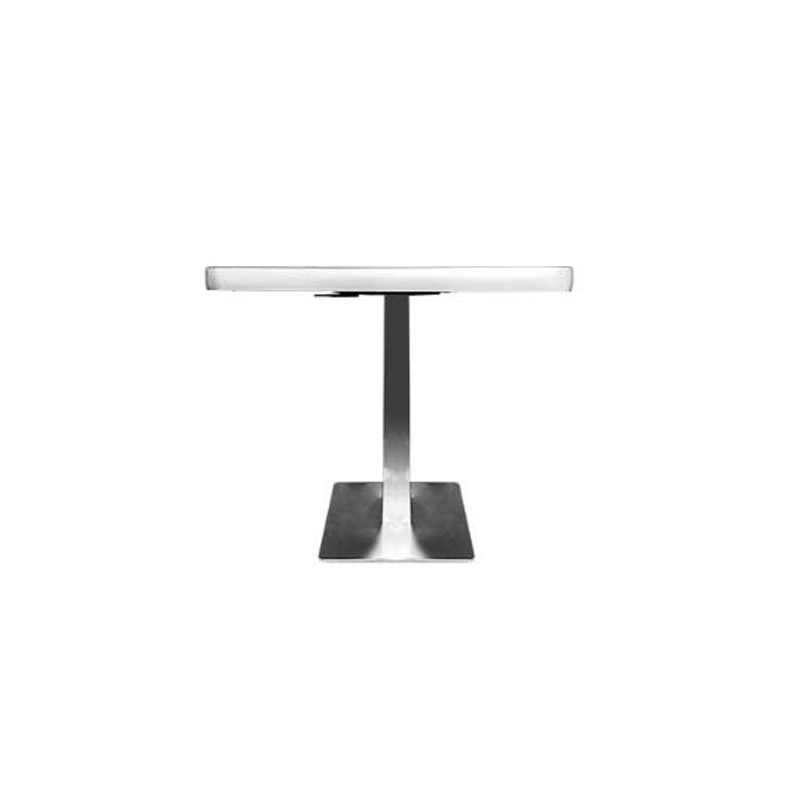
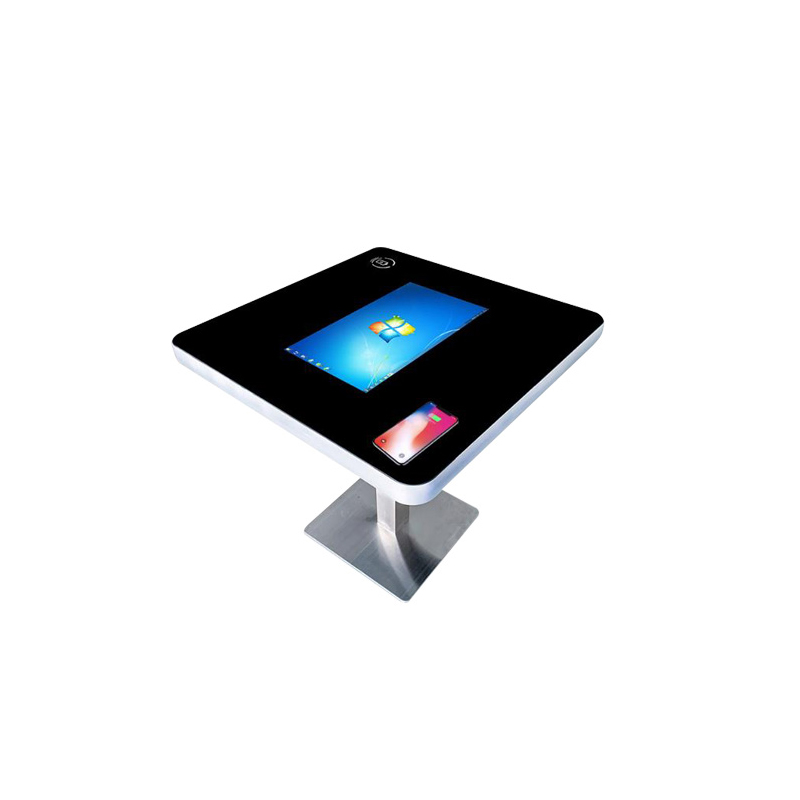
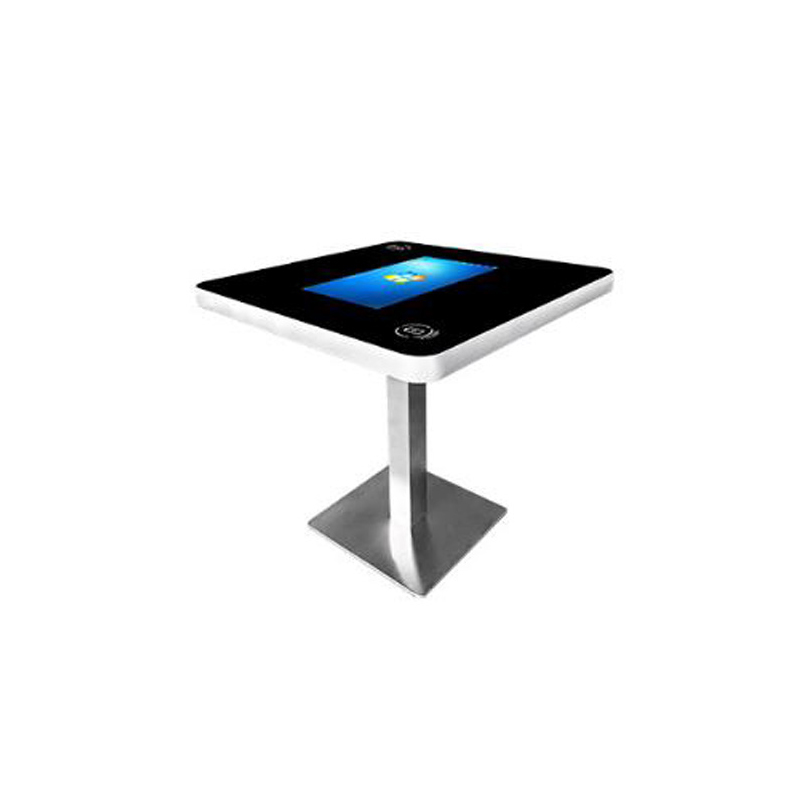
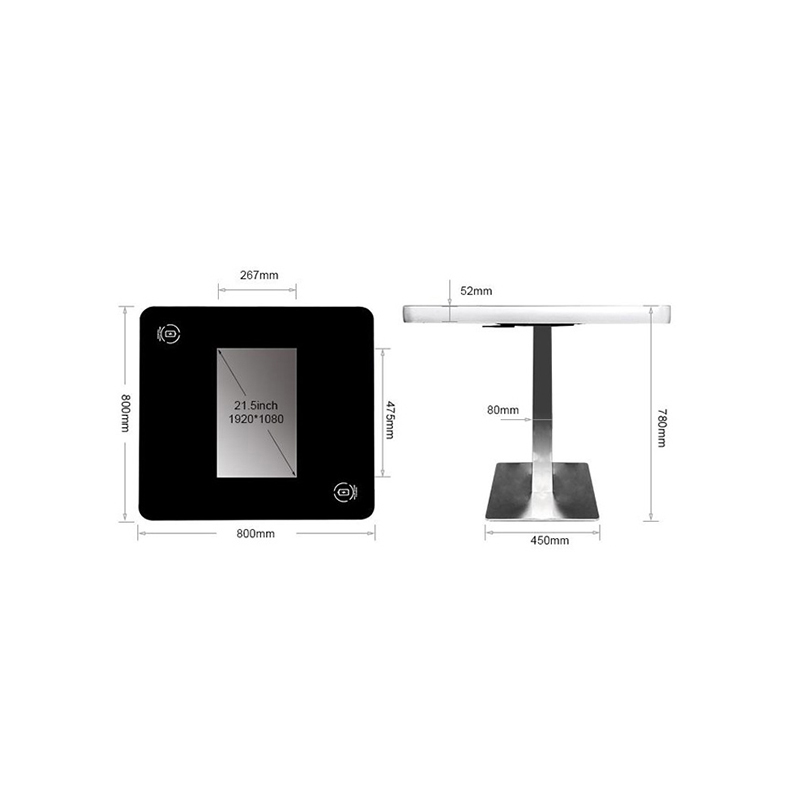
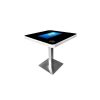
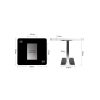
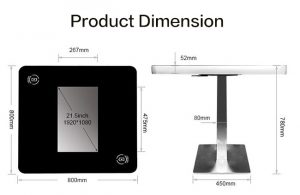
This 21.5-inch Museum Exhibit Touch Table supports museum storytelling through an approachable horizontal interactive format. ZXTLCD provides appearance customization, branding coordination, sample confirmation, engineering communication, and consistent batch production. Buyers can align the computing arrangement, compatible content, enclosure details, placement, and service expectations before approving quantity manufacturing for their commercial project.
Description
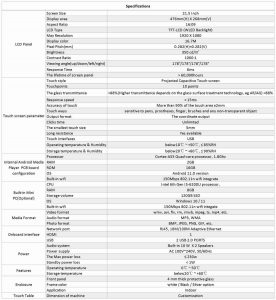
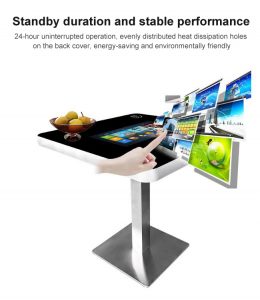
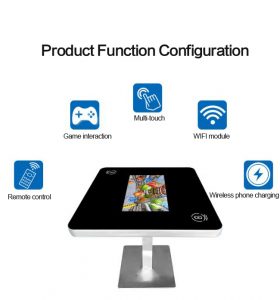
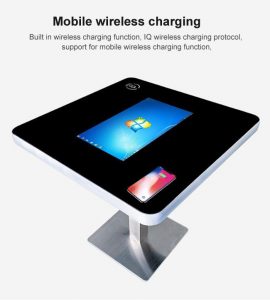
A museum label can introduce a subject, but it cannot hold every map, timeline, animation, photograph, and comparison a curious visitor may want to explore. The Museum Exhibit Touch Table gives museum contractors, exhibition designers, science centers, and cultural-venue integrators a product format designed around museum storytelling. The product page describes a 21.5-inch Android digital-signage table with capacitive touch, integrated installation, configurable logos and interfaces, and environmental-exhibition applications. Those facts provide the basis for a focused commercial story without adding unsupported performance claims.
Let Curiosity Determine the Route
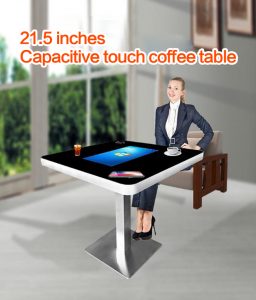
Exhibition teams need a way to layer information without covering the gallery with long panels. A tabletop gives visitors control over depth: a quick visitor can see the central message, while an interested visitor can open supporting media and follow a longer route. In environmental exhibitions, museum galleries, visitor centers, science displays, and cultural interpretation spaces, the table can become part of the service or furniture plan instead of looking like a separate terminal placed wherever space remains.
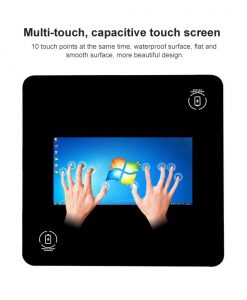
Capacitive interaction supports familiar gestures for compatible catalogs, electronic books, maps, and multimedia presentations. Several people can gather around the same story, compare details, and continue a conversation while the exhibit remains the visual center. A Museum Exhibit Touch Table is most persuasive when the content reflects a real task rather than a generic looping demo. The buyer should therefore prepare representative media early enough to influence system choice and interface planning.
Museum Exhibit Touch Table: A Commercial Role Built around Museum Storytelling
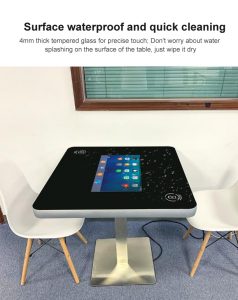
The compact format can be planned as part of an exhibit island or interpretation zone. Designers should consider circulation, comfortable reach, content orientation, and the relationship between the screen and nearby physical objects before fixing the enclosure. This practical review connects the documented product form to the people, circulation, and maintenance expectations of the location.
Curatorial Review with Real Media
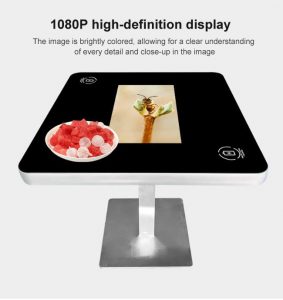
For museum procurement, the sample should be reviewed with representative exhibit media rather than a generic demo. This allows curators, designers, and technical teams to judge navigation, text scale, response, and the selected Android workflow together. The Museum Exhibit Touch Table can then be evaluated as a complete solution: physical form, touch experience, selected computing arrangement, compatible content, and supply plan.
Questions Project Buyers Often Raise
Should content be tested before quantity production?
Yes. Representative content helps stakeholders confirm navigation, readability, touch behavior, and the selected computing arrangement during sample review.
Can ZXTLCD coordinate branded appearance?
Appearance requirements such as color and logo treatment can be discussed and confirmed as part of OEM sample planning.
Coordinate Exhibit Design and Production
ZXTLCD can discuss enclosure color, logo position, visual branding, computing configuration, packaging, and other confirmed OEM requirements. For the Museum Exhibit Touch Table, sample approval should record the agreed appearance and core build so engineering, purchasing, assembly, inspection, and the buyer share one production reference. This supports consistency when the product moves into quantity manufacturing or later repeat orders.
Procurement teams should also define how success will be judged after installation. In environmental exhibitions, museum galleries, visitor centers, science displays, and cultural interpretation spaces, useful measures may include whether visitors understand the interface, whether staff can support the experience easily, whether the unit fits normal circulation, and whether approved content can be updated without changing the physical product. For museum contractors, exhibition designers, science centers, and cultural-venue integrators, these operational questions are often more important than adding features that the project will never use. Keeping the acceptance criteria tied to the real application helps the supplier quote the right configuration, helps the buyer compare proposals fairly, and gives the final operator a product that is easier to explain, maintain, and reorder.
Commercial confidence also depends on communication after the concept is chosen. Project notes should cover power access, cable exit, service clearance, content responsibility, packaging expectations, and delivery sequence. Clear records help different buyer teams review the same decisions and reduce avoidable interpretation between sample testing and production. They also give distributors a stronger basis for presenting the product accurately to their own customers.
When the digital layer is easy to approach, it can deepen the physical exhibition instead of competing with it. A Museum Exhibit Touch Table creates lasting value when the approved hardware and the intended user journey remain aligned from prototype through ongoing supply.
If you would like to get the specification about above product, or you hope to discuss your requirements or need any additional information on our this product , then please do not hesitate to send us a inquiry and contact our sales team now.